

 English
 русский
 Español
 عربى

Cutting And Deboning Solutions
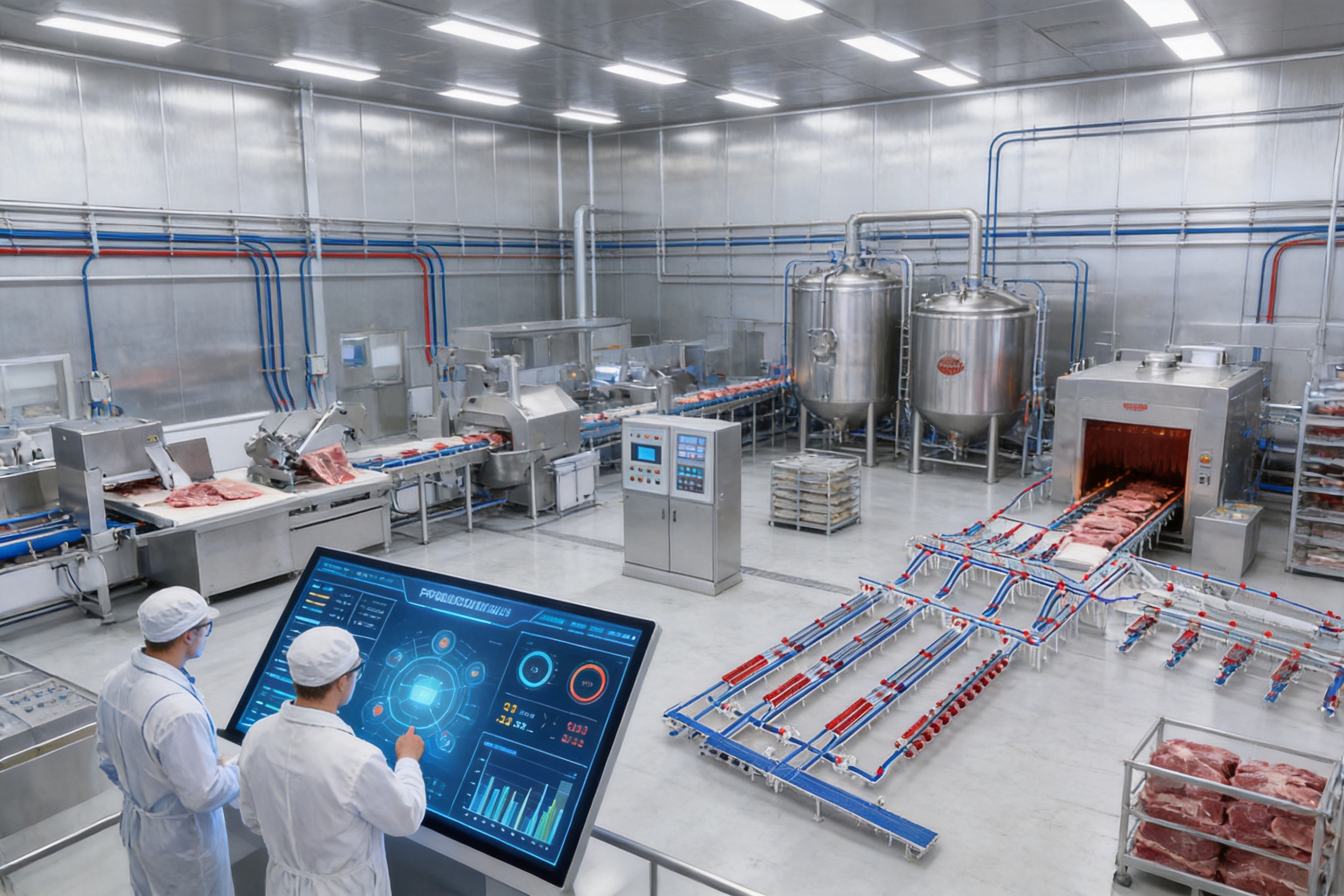
Modern meat processors operate in an environment where productivity, hygiene, traceability, labor efficiency, and consistent product quality are equally important. Cutting and deboning are among the most demanding stages in a meat processing facility because they directly influence yield, product appearance, worker safety, production speed, and downstream packaging performance. A well-designed cutting and deboning system must therefore do much more than move raw material from one workstation to another. It must connect equipment, people, data, sanitation procedures, and production controls into a coordinated processing solution.
Zhejiang Ribon Intelligent Equipment Co., Ltd. provides cutting and deboning solutions for slaughtering and meat processing operations. Its approach is based on turnkey project delivery, customized engineering, automated data gathering, traceability technologies, and centralized control. These capabilities allow processors to develop production lines that are better adapted to their actual requirements instead of relying solely on disconnected, standardized machines.
The company has specialized in the research, development, and manufacturing of meat processing machinery since 2003. Its experience includes meat processing smokehouses, vacuum tumblers, slaughtering equipment, cutting systems, deboning equipment, and integrated production solutions. By combining equipment manufacturing with project design, installation, commissioning, and trial production support, the company helps customers establish complete and practical processing environments.
The Role of Cutting and Deboning in a Modern Processing Plant
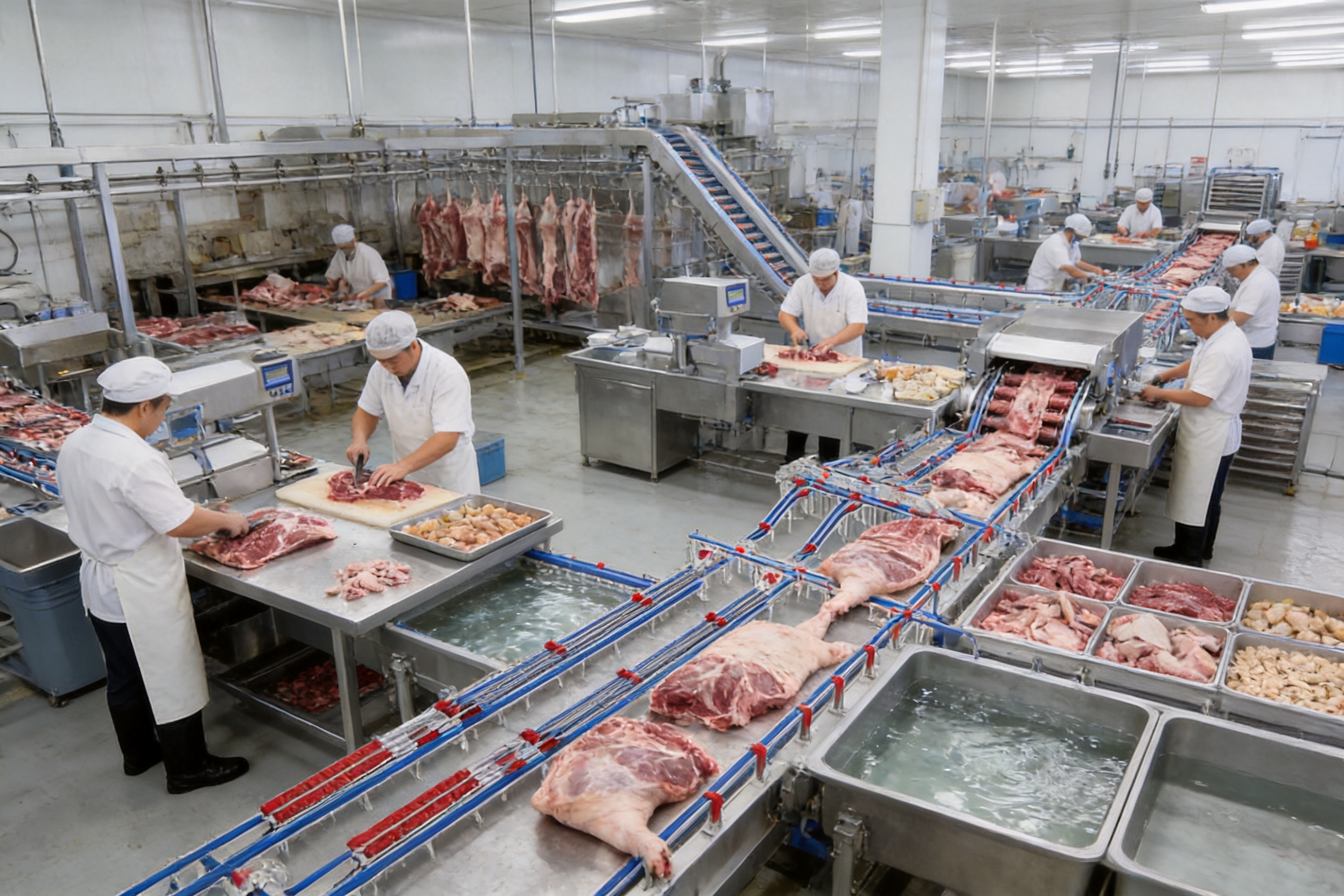
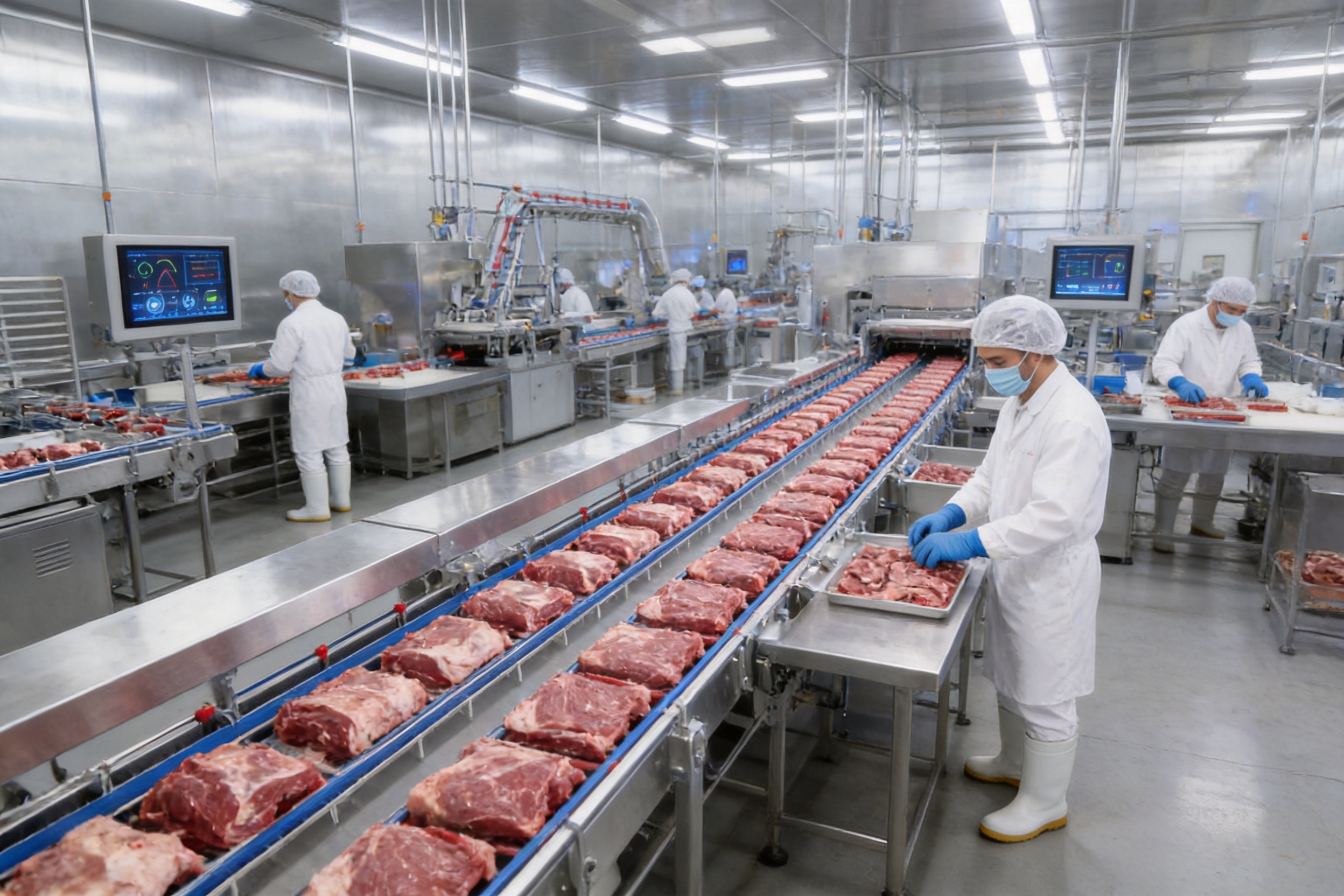
Cutting and deboning determine how efficiently a carcass or primal section is converted into saleable meat products. The process may include carcass handling, trimming, bone removal, portion preparation, sorting, inspection, transfer, and preparation for further processing. Each step affects the final yield. A poorly coordinated line can create unnecessary product handling, inconsistent cuts, avoidable contamination risks, and excessive labor requirements.
Traditional cutting rooms often depend on manual transportation, paper records, and isolated workstations. Although skilled operators remain essential in many meat processing applications, a fragmented production layout makes it difficult to maintain consistent production rates. It can also create bottlenecks when raw material arrives faster than it can be processed, or when finished pieces cannot be transferred smoothly to the next stage.
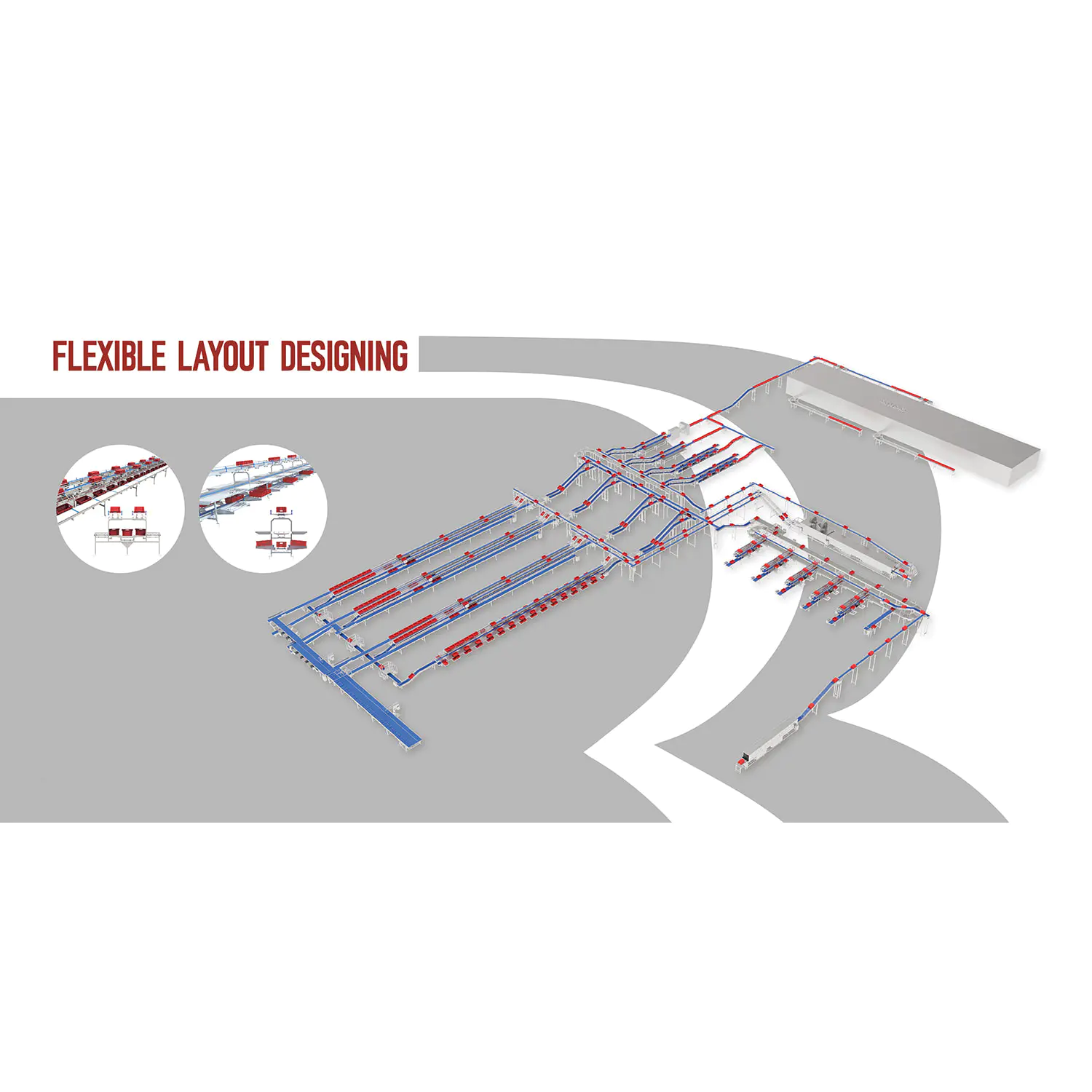
An integrated cutting and deboning solution addresses these challenges by organizing the production route around the material flow. Conveyors, water trays, crate handling equipment, processing stations, collection points, and control systems are positioned according to the required capacity and product sequence. This approach improves visibility across the production floor