

 English
 русский
 Español
 عربى

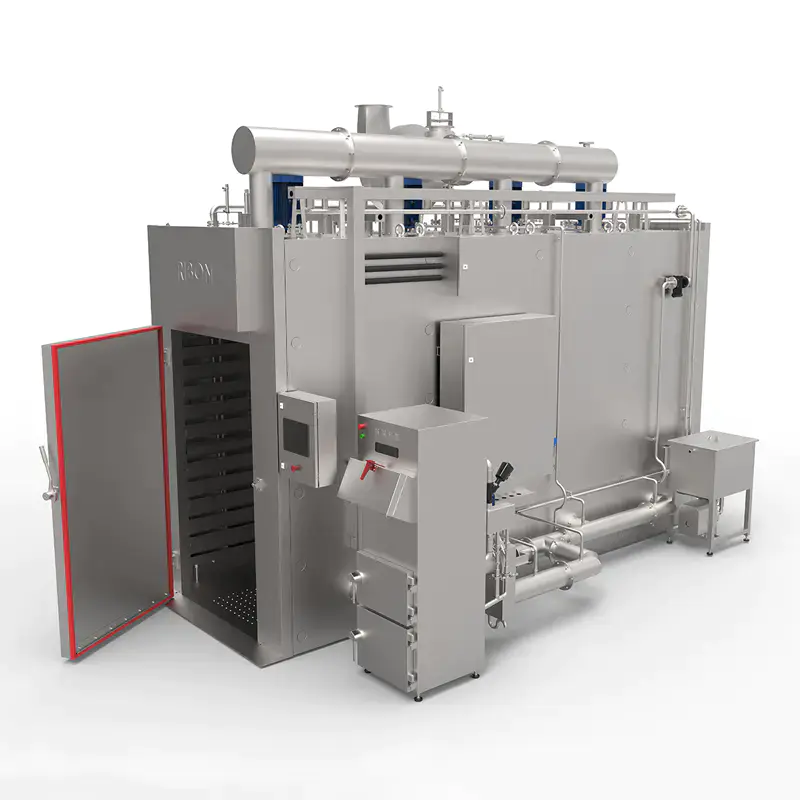
Modern meat product development requires equipment that can reproduce processing conditions accurately, safely, and consistently. A laboratory smokehouse is more than a small cooking cabinet. It is a controlled processing system for testing recipes, validating production parameters, preparing demonstration batches, and producing specialty meat, poultry, fish, and other food products in limited quantities.
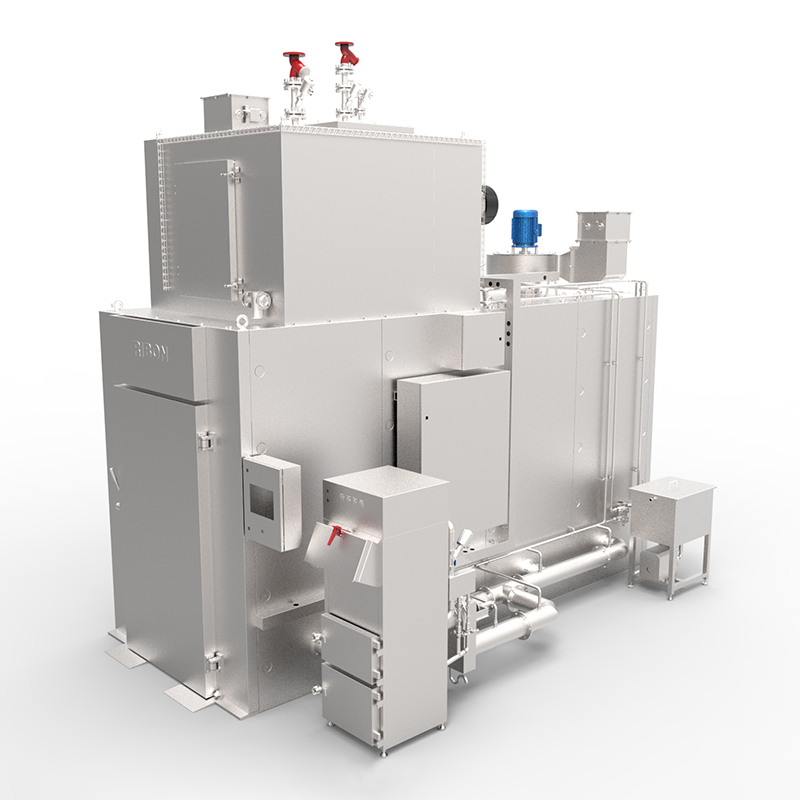
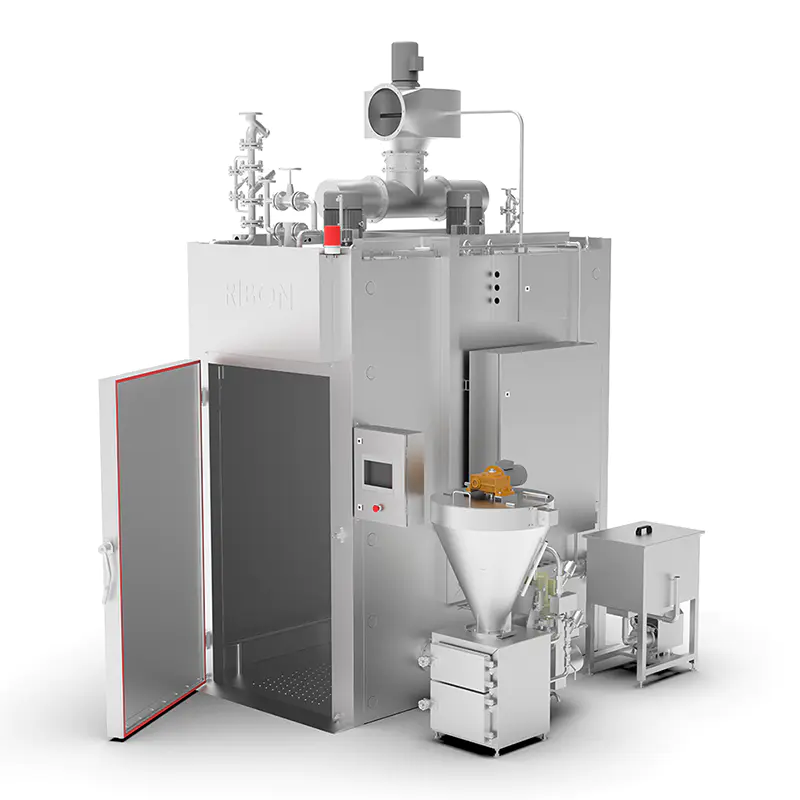
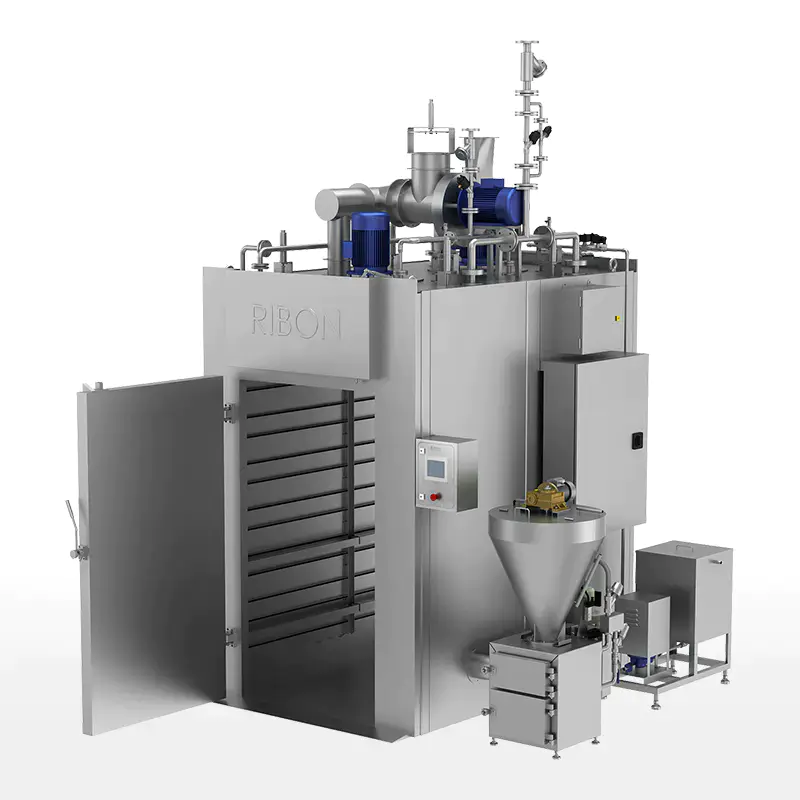
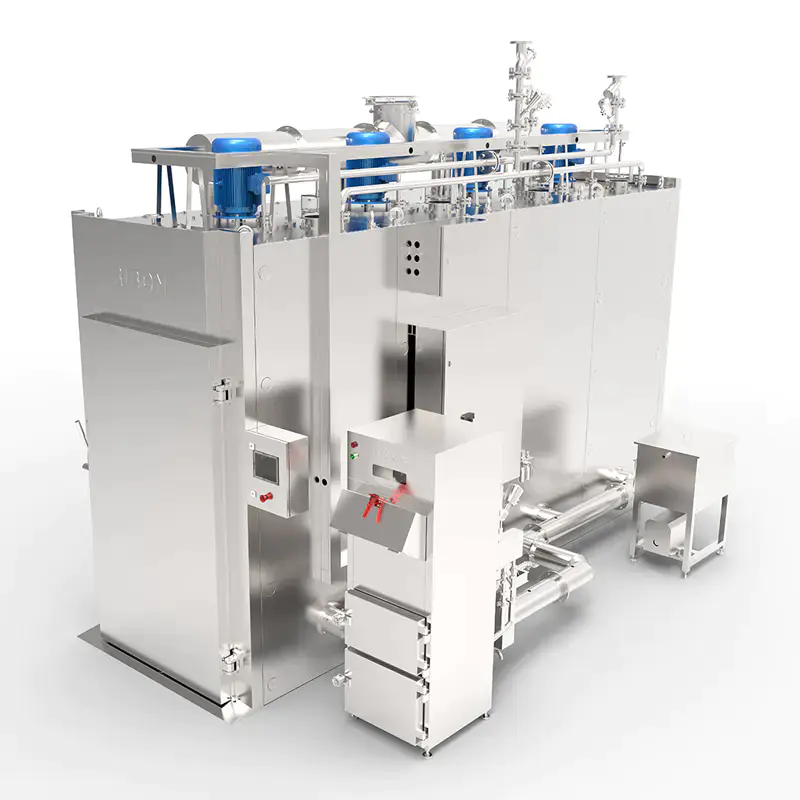
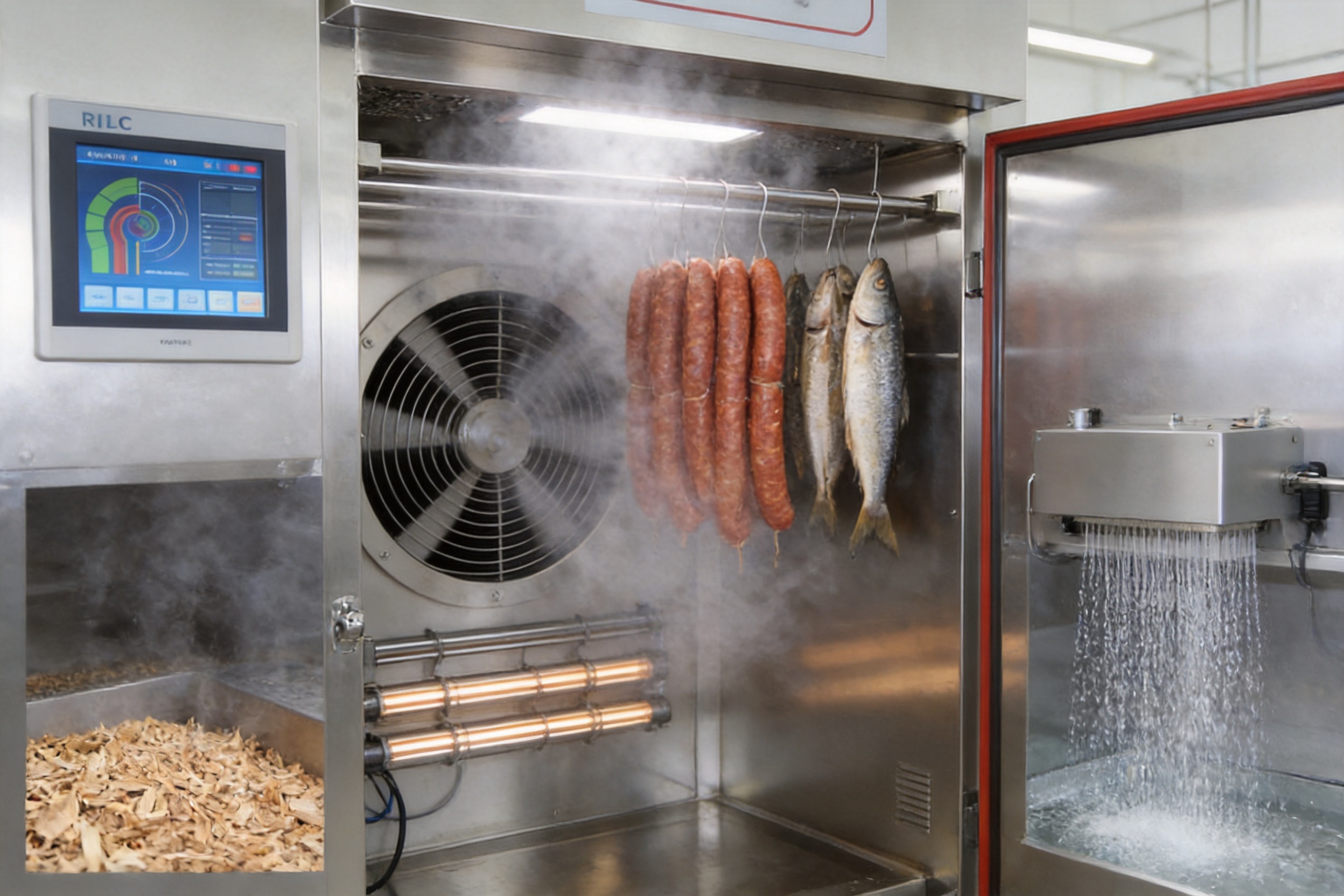
The Lab Smokehouse supplied by Zhejiang Ribon Intelligent Equipment Co., Ltd. is designed for laboratories, restaurants, pilot plants, culinary facilities, research centers, and small-scale food production environments. It combines drying, hot smoking, cooking, baking, and, in one configuration, cold smoking in a compact stainless steel unit. Its PLC and touch-screen control system, internal woodchip smoke generator, automatic cleaning function, high-temperature capability, and efficient air circulation system provide a practical platform for repeatable food processing.
Compared with basic ovens, improvised smoking cabinets, or manually operated small smokers, this equipment provides significantly greater control over temperature, process stages, smoke generation, and product consistency. It is particularly suitable where operators need to repeat a recipe, compare several formulations, develop products, or demonstrate a process to customers and production teams.
Content
- 1 Purpose and Applications of a Laboratory Smokehouse
- 2 Integrated Drying, Smoking, Cooking, and Baking
- 3 Product Configurations and Technical Specifications
- 4 PLC and Touch-Screen Control
- 5 High-Efficiency Air Circulation for Product Uniformity
- 6 Stainless Steel Construction and Manufacturing Strength
- 7 Internal Woodchip Smoke Generation
- 8 Cold Smoking Capability in the RYXY1-M-DL Model
- 9 Automatic Cleaning and Hygienic Operation
- 10 Advantages Compared with Basic and Competing Equipment
- 11 Applications in Research, Restaurants, and Pilot Production
- 12 Installation and Operating Considerations
- 13 Maintenance and Service Life
- 14 Food Safety and Process Validation
- 15 Company Expertise and International Capability
- 16 Selection Guidance: Choosing Between the Two Models
- 17 Questions and Answers
- 17.1 What products can be processed in the Lab Smokehouse?
- 17.2 What is the capacity of the smokehouse?
- 17.3 What is the difference between the two models?
- 17.4 Does the equipment generate smoke internally?
- 17.5 Is the smokehouse automatically controlled?
- 17.6 Can the smokehouse be used for cold smoking?
- 17.7 How does the fan improve processing?
- 17.8 Is the machine easy to clean?
- 17.9 How long can the smokehouse last?
- 17.10 Can it be moved by hand?
- 17.11 What electrical supply is required?
- 17.12 Where is the equipment manufactured?
- 18 Conclusion
- 19 References
- 20 Product: Lab Smokehouse
Purpose and Applications of a Laboratory Smokehouse
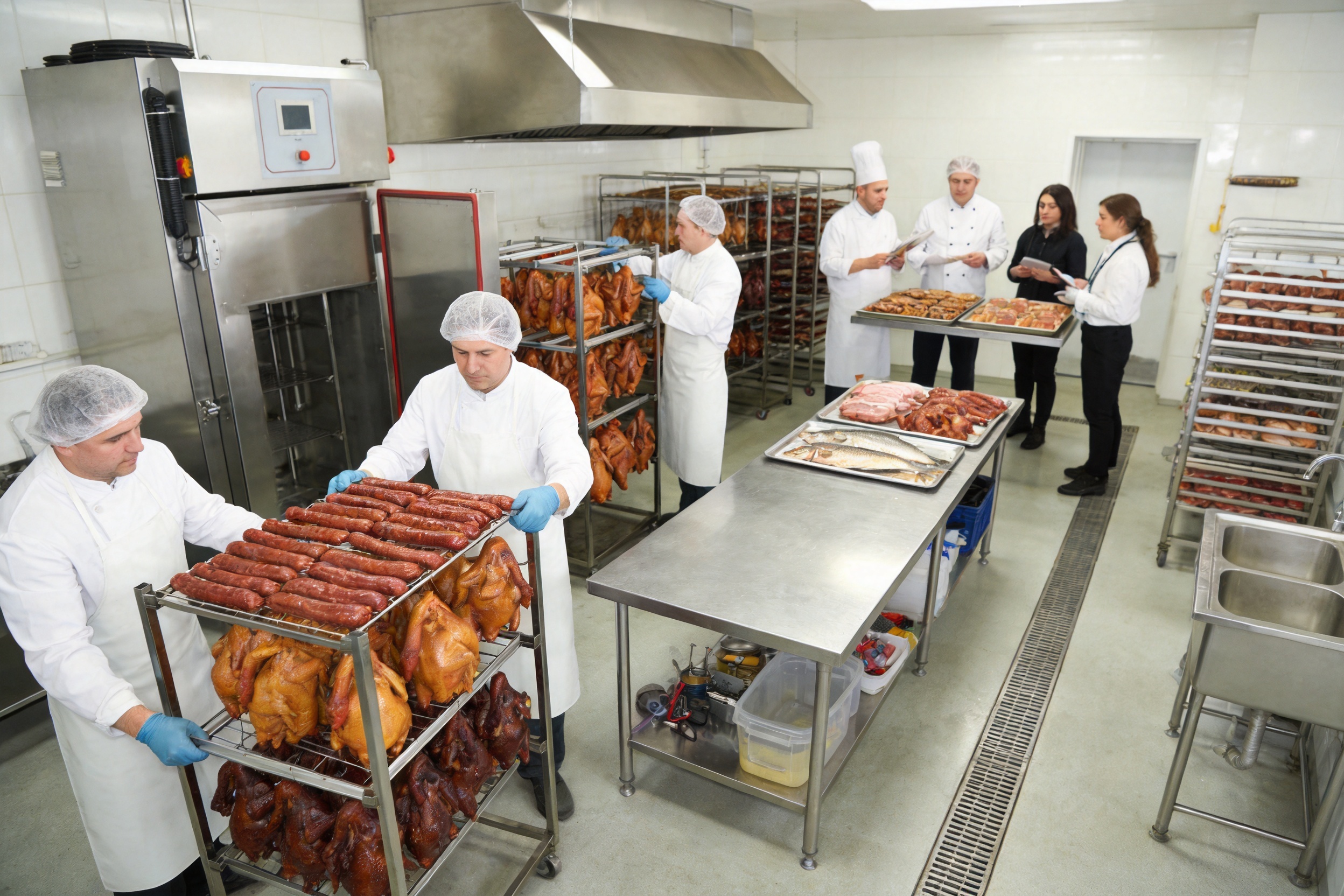
A laboratory smokehouse is used to simulate or perform several important stages of meat processing in a controlled environment. Instead of relying on separate equipment for drying, cooking, baking, and smoking, the operator can complete multiple operations in one integrated chamber. This reduces handling and makes it easier to maintain a consistent process from one test batch to the next.
The equipment is suitable for ham, sausage, poultry, fish, and other products that benefit from controlled thermal treatment or smoke exposure. It can be used for recipe development, product testing, sensory evaluation, cooking demonstrations, restaurant preparation, and small-batch production. Research and development teams can use the unit to compare smoke intensity, temperature profiles, cooking times, and product formulations.
In a laboratory environment, repeatability is essential. If one batch is processed at a different temperature or receives a different level of smoke from the previous batch, the test results may be difficult to interpret. The Lab Smokehouse addresses this challenge by integrating automatic control and forced air circulation into the processing chamber.
Restaurants and specialty food producers can also benefit from the equipment. A restaurant may use it to prepare smoked sausages, poultry, fish, or specialty ham. A small producer can use it to make limited quantities of new products before investing in a larger production line. The machine can therefore serve both as a research tool and as a practical production unit for carefully controlled batches.
The two available configurations provide different processing capabilities. The RYXY1-M-D model supports drying, hot smoking, cooking, and baking. The RYXY1-M-DL model adds cold smoking, allowing users to work with a wider range of traditional and modern smokehouse recipes.
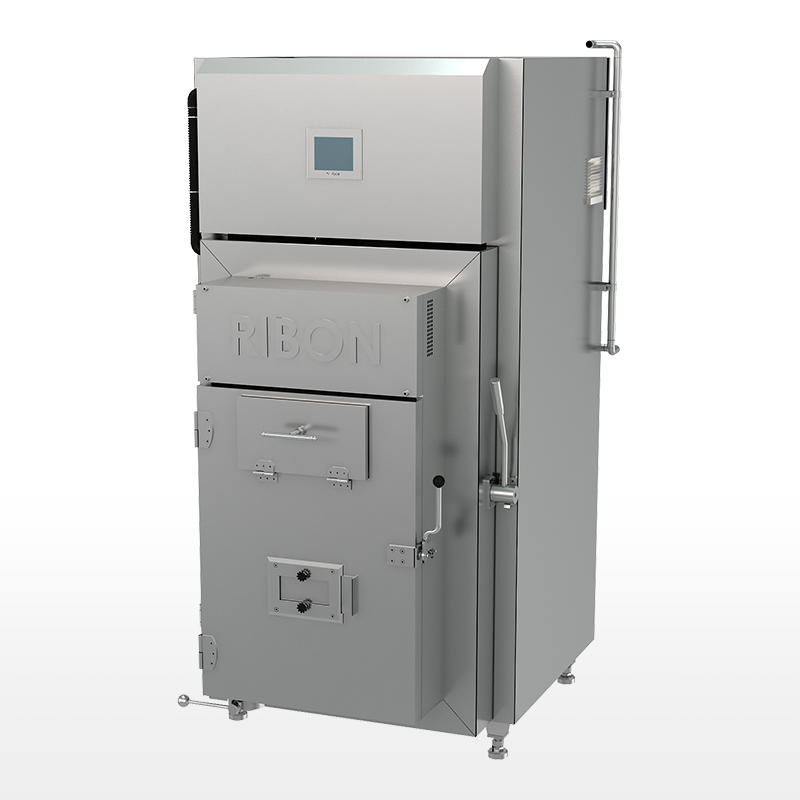
Lab Smokehouse
Integrated Drying, Smoking, Cooking, and Baking
The principal advantage of the Lab Smokehouse is its multifunctional design. Drying, smoking, cooking, and baking can be performed within the same stainless steel chamber. This integrated approach can improve workflow efficiency because operators do not need to transfer products between several independent machines for each processing stage.
Drying
Drying is commonly used before smoking or cooking to prepare the product surface. A controlled drying stage can help remove excess surface moisture and create conditions that support more uniform smoke adhesion. It can also contribute to the desired appearance and texture of sausages, ham, poultry, and fish.
Inconsistent drying may lead to uneven color, irregular smoke absorption, or differences in surface texture. The smokehouse’s controlled heating and air movement help create a more uniform chamber environment. This is especially useful when the machine is used for product trials in which small changes in processing conditions must be observed and documented.
Hot Smoking
Hot smoking combines smoke exposure with elevated-temperature processing. It may be used to develop flavor, color, aroma, and texture while contributing to the cooking of the product. The Lab Smokehouse uses an internal woodchip smoke generator, allowing smoke to be produced within the equipment rather than supplied by a separate external generator.
An internal smoke generator can simplify installation and operation. It reduces the number of external connections and keeps smoke generation closely integrated with the processing chamber. The operator can use the automatic control system to manage the programmed processing cycle while the internal generator supplies woodchip smoke according to the selected recipe or operating procedure.
Cooking and Baking
Cooking and baking functions expand the equipment’s usefulness beyond traditional smoking applications. Products can be processed thermally after drying or smoking, or they can be prepared through a baking-oriented cycle depending on the recipe. The maximum temperature of 180 °C provides a broad operating range for laboratory-scale meat processing applications.
The RYXY1-M-D model operates from 45 °C to 180 °C, while the RYXY1-M-DL model operates from 15 °C to 180 °C. The lower operating range of the RYXY1-M-DL model supports cold smoking applications, while both models provide the high-temperature range required for cooking and baking operations.
Product Configurations and Technical Specifications
The two configurations are designed to address different processing requirements. The choice between them depends mainly on whether the user needs cold smoking and on the type of products being developed or prepared.
| Specification | RYXY1-M-D | RYXY1-M-DL |
|---|---|---|
| Primary functions | Drying, hot smoking, cooking, and baking | Drying, cooking, baking, hot smoking, and cold smoking |
| Smoke source | Internal woodchip smoke | Internal woodchip smoke |
| Control system | Automatic PLC and touch screen | Automatic PLC and touch screen |
| Heating method | Electric heating | Electric heating |
| Electrical supply | 380 V, 50 Hz, three phase; adjustable as required | 380 V, 50 Hz, three phase; adjustable as required |
| Power | 12 kW | 15 kW |
| Temperature range | 45–180 °C | 15–180 °C |
| Capacity | 25 kg | 25 kg |
Both versions have a stated capacity of 25 kg, making them appropriate for laboratory trials, restaurant production, pilot-scale processing, and other applications that do not require the throughput of a full industrial smokehouse. The RYXY1-M-DL model has a higher rated power of 15 kW because it supports the additional low-temperature and cold-smoking function. The RYXY1-M-D model has a rated power of 12 kW.
The electrical supply is specified as 380 V, 50 Hz, three phase, with adjustment available as required. Electrical compatibility should be confirmed before installation because the final supply arrangement may depend on the destination country, facility infrastructure, local electrical standards, and customer requirements.
PLC and Touch-Screen Control
The PLC and touch-screen control system is one of the most important features of the equipment. A programmable logic controller provides a structured method for managing the processing cycle, while the touch screen gives operators a direct interface for entering settings, monitoring operation, and reviewing process status.
Manual operation can create variations in temperature, timing, and process sequencing. These variations may be acceptable in some traditional applications, but they can be problematic in laboratory testing and product development. Automatic control helps reduce dependence on constant manual adjustment and supports more consistent execution of a selected procedure.
For product developers, the control system can make it easier to document and reproduce a successful test. An operator can establish a procedure for drying, smoking, cooking, or baking and then use the same basic settings during subsequent trials. This supports a more disciplined approach to recipe development and process comparison.
The touch screen also contributes to operational convenience. Operators can work with a visual interface rather than relying only on mechanical switches or separate gauges. A clear interface can help reduce training requirements and make it easier to identify the current stage of a process.
Automation does not eliminate the need for skilled operation. Product loading, raw material preparation, smoke selection, sanitation, and final product evaluation remain important responsibilities. However, automatic control provides a more stable foundation for these activities by reducing unnecessary process variation.
Control Benefits for Product Development
Research teams often need to change one process variable at a time. For example, they may compare two smoke levels while keeping cooking temperature constant, or compare two drying times while maintaining the same product formulation. A controlled smokehouse helps make these comparisons more meaningful.
Restaurants and small producers may use the touch-screen system to standardize products prepared by different employees. A documented process can help reduce differences between shifts and support a more consistent customer experience. This is particularly useful for smoked sausages, poultry, fish, and specialty meat products where flavor and texture depend on multiple processing stages.
High-Efficiency Air Circulation for Product Uniformity
The Lab Smokehouse is equipped with a highly efficient fan to support consistent conditions inside the chamber. Air movement is important because temperature and smoke concentration can vary if the atmosphere remains stagnant. Uneven circulation may cause some products to cook faster, dry more quickly, or develop a different color from products positioned elsewhere in the chamber.
Forced circulation helps distribute heat and smoke more evenly around the product load. This can improve the consistency of thermal treatment and smoke exposure, particularly when products are arranged on multiple levels or when different shapes and sizes are processed in the same batch.
Uniformity is especially important in laboratory work. If one sample receives substantially more heat or smoke than another, test results may reflect chamber position rather than the recipe or formulation being evaluated. Efficient air movement helps reduce this source of uncertainty.
Air circulation also contributes to process efficiency. A more evenly controlled chamber can help the operator achieve the intended processing condition without excessive manual adjustment. The actual result will still depend on product size, loading arrangement, moisture content, casing type, and recipe parameters, but the equipment provides a suitable environment for controlled experimentation.
Operators should follow appropriate loading practices. Overloading the chamber, blocking air passages, or placing products too close together may reduce circulation and affect results. The stated capacity should be treated as an operating limit, and the practical load may vary depending on the product configuration.
Stainless Steel Construction and Manufacturing Strength
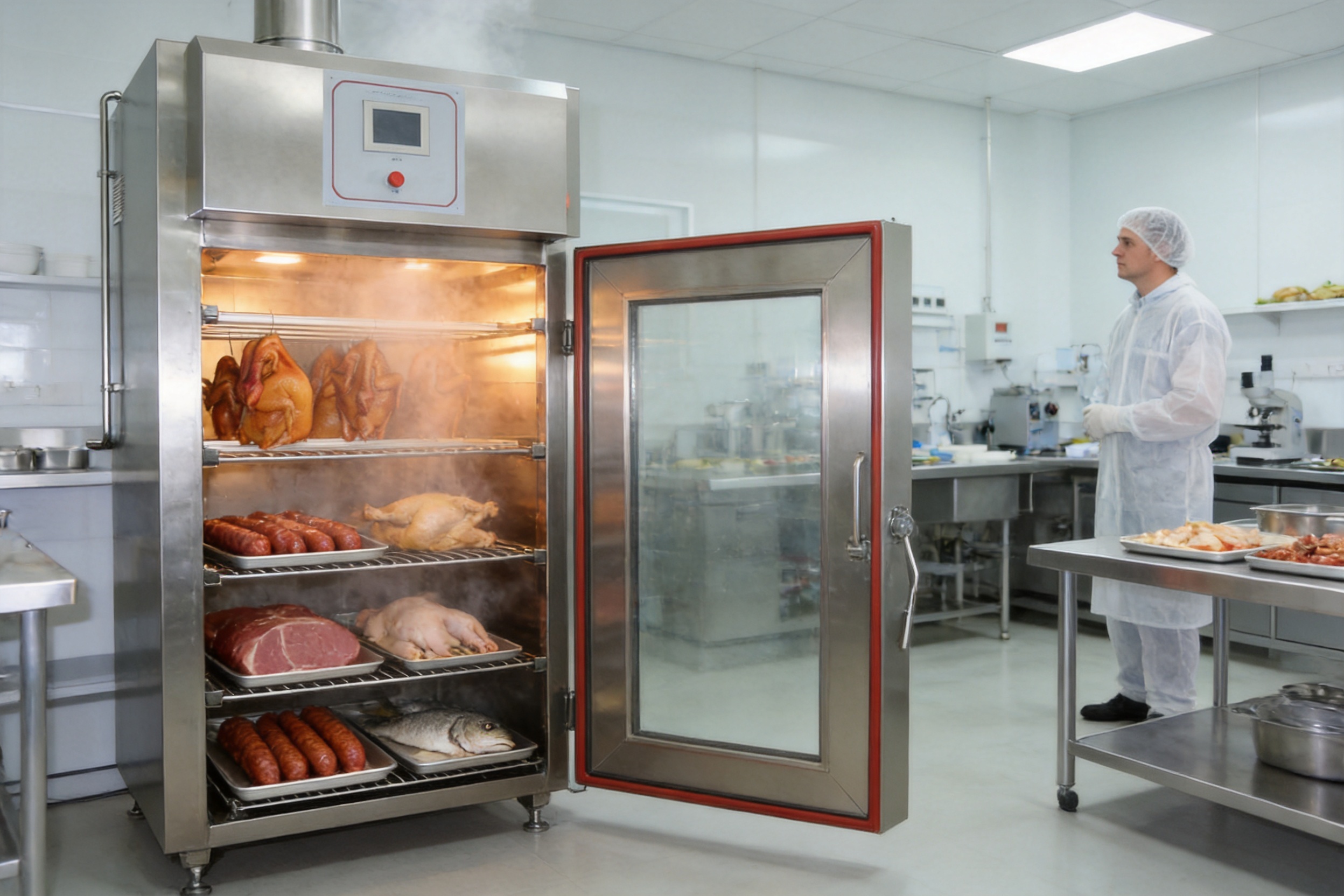
The smokehouse uses a fully welded stainless steel construction. This design provides several benefits for meat processing environments. Stainless steel is resistant to corrosion, relatively easy to clean, and suitable for applications in which the equipment is exposed to moisture, heat, smoke, and food residues.
A fully welded structure can provide a robust enclosure with fewer points where liquid, grease, or particles may accumulate. Smooth, properly finished surfaces are valuable in hygienic processing because they support more effective cleaning and inspection. The welded design also contributes to structural stability during repeated heating and cooling cycles.
Construction quality has a direct effect on equipment service life. Meat processing machinery operates in demanding conditions. Repeated exposure to hot water, cleaning agents, steam, smoke, and temperature changes can challenge lower-quality materials and poorly finished surfaces. A properly manufactured stainless steel cabinet is better positioned to withstand these conditions over an extended period.
Zhejiang Ribon Intelligent Equipment Co., Ltd. has specialized in the research, development, and manufacture of meat processing machinery since its foundation in 2003. Its product scope includes meat processing smokehouses, vacuum tumblers, and cutting and deboning lines. This specialization allows the company to focus its engineering and manufacturing experience on the requirements of meat and food processing rather than treating the smokehouse as a general-purpose heating cabinet.
Manufacturing as a Process
Advanced manufacturing begins with understanding the production application. The smokehouse must combine thermal performance, smoke distribution, hygienic construction, electrical control, ease of operation, and maintainability. These requirements influence the selection of materials, the chamber design, the fan arrangement, the heating system, the smoke generator, and the automatic control architecture.
Stainless steel fabrication requires accurate cutting, forming, alignment, and welding. The quality of welded joints affects both the structural integrity and the cleanability of the machine. Proper welding and finishing help create a durable enclosure that can tolerate the mechanical and thermal stresses associated with repeated operation.
Mechanical and electrical systems must also be coordinated. The heating elements, fan, smoke generator, sensors, PLC, touch screen, and cleaning system need to work together as a complete process platform. A weakness in one part of the system can affect the usability of the whole machine. An integrated manufacturing approach helps ensure that the major assemblies are designed to operate as a unified unit.
The company’s long-term experience in meat processing machinery is a further strength. Since 2003, it has exported equipment and solutions to customers in different markets. International experience can help a manufacturer understand the importance of electrical adaptation, operating conditions, installation requirements, documentation, hygiene expectations, and customer support across different regions.
Internal Woodchip Smoke Generation
The Lab Smokehouse uses an internal woodchip smoke generator. Woodchip smoking is a traditional and widely recognized method for developing the flavor and aroma associated with smoked meat, poultry, and fish products. By incorporating the smoke generator inside the unit, the equipment keeps the smoke-producing function close to the processing chamber.
An integrated smoke generator can simplify the overall equipment arrangement. A separate external generator may require additional floor space, connecting ducts, and more complicated installation. An internal arrangement can be particularly convenient in a laboratory or restaurant, where available space may be limited.
Smoke characteristics depend on several factors, including wood type, chip size, moisture content, quantity, combustion or smoldering conditions, product surface moisture, chamber temperature, and exposure time. The smokehouse provides the controlled platform, but the operator must still select suitable materials and establish an appropriate procedure for the product.
Smoke should be managed carefully. Excessive smoke may create an overly strong flavor or undesirable surface color, while insufficient smoke may produce a weak sensory result. Product development teams can use the smokehouse to compare different woodchip choices and exposure conditions in a systematic way.
Cold Smoking Capability in the RYXY1-M-DL Model
The RYXY1-M-DL model adds cold smoking to the functions available in the standard configuration. Cold smoking is different from hot smoking because the objective is to expose the product to smoke at a lower temperature, generally without relying on the smokehouse cycle to cook the product fully.
The 15–180 °C operating range of the RYXY1-M-DL model gives operators greater flexibility for low-temperature applications. Cold smoking requires careful control because the product may remain within a temperature range that does not provide the same cooking effect as hot smoking. Raw material preparation, curing, hygiene, time control, and subsequent handling are therefore especially important.
Cold smoking can be useful for developing specialty products, traditional-style sausages, fish products, and other recipes where smoke aroma is desired without the same thermal profile used for hot smoking. The additional function makes the RYXY1-M-DL model a broader research platform for facilities developing several product categories.
Users should establish food safety procedures appropriate to the product and process. Cold smoking should never be treated as a substitute for validated curing, cooking, chilling, or preservation procedures. The smokehouse controls the processing environment, but food safety depends on the complete production system and on compliance with applicable regulations.
Automatic Cleaning and Hygienic Operation
The smokehouse has a complete automatic cleaning system. Cleaning is a central part of meat processing equipment operation because residues can accumulate on chamber surfaces, racks, fans, heating components, and smoke-related parts. If residues are not removed effectively, they may affect hygiene, odor, product quality, and equipment performance.
An automatic cleaning system can reduce the amount of manual cleaning required after a process cycle. It can also encourage more consistent sanitation practices by providing a defined cleaning operation rather than relying entirely on individual operator habits.
Automatic cleaning does not remove the need for inspection. Operators should check areas that may require additional attention, including door seals, corners, racks, drains, smoke generator components, and any surfaces that remain visibly soiled. Cleaning chemicals should be selected and used according to equipment instructions and local food-processing requirements.
The combination of stainless steel construction and automatic cleaning is a practical advantage over basic improvised smoking equipment. Homemade or lightly constructed cabinets may be difficult to clean thoroughly, especially when they contain inaccessible joints, porous surfaces, or unprotected internal components.
Effective sanitation also supports longer equipment life. Food residues, salt, smoke condensate, and cleaning chemicals can contribute to corrosion or deterioration if they remain on surfaces for extended periods. Prompt cleaning and appropriate rinsing help protect the stainless steel and associated components.
Advantages Compared with Basic and Competing Equipment
Every processing facility must select equipment according to its capacity, budget, product range, and technical requirements. The Lab Smokehouse is not intended to replace every type of industrial smokehouse. Its main advantage is the balance between multifunctionality, automation, compact pilot-scale capacity, and controlled processing.
Compared with Conventional Ovens
A conventional oven may provide heating and baking, but it usually does not provide an integrated woodchip smoke generator or a dedicated smokehouse process. Operators may need to add external smoke equipment or use improvised methods, which can make smoke intensity and distribution difficult to control.
The Lab Smokehouse combines heating and smoking in one system. It also supports drying and, depending on the model, cold smoking. This gives product developers more options without requiring multiple separate appliances.
Compared with Manual Smoking Cabinets
Manual smoking cabinets may be inexpensive, but they often depend heavily on operator judgment. Temperature, smoke production, airflow, and process timing may vary from one batch to another. This can make it difficult to reproduce a successful result.
The automatic PLC and touch-screen system provides a more structured method for controlling the cycle. The efficient fan supports chamber uniformity, while the internal smoke generator simplifies smoke production. These features can improve repeatability in comparison with manually managed cabinets.
Compared with Large Industrial Smokehouses
Large industrial smokehouses are suitable for high-volume production, but they may be excessive for a laboratory, restaurant, test kitchen, or small specialty producer. They require more floor space, higher investment, greater utility capacity, and more complicated installation.
With a 25 kg capacity, the Lab Smokehouse is designed for smaller-scale applications. It can provide many of the control functions required for product development without requiring the footprint or production volume of a large industrial line.
Compared with Separate Processing Machines
Using one machine for drying, another for cooking, and another for smoking can increase equipment cost, handling time, and process complexity. Product must be transferred between machines, increasing the risk of temperature loss, contamination, or inconsistent treatment.
The integrated smokehouse allows several stages to take place in one chamber. This can reduce handling and make it easier to organize a complete processing cycle. The exact process sequence should be determined according to the product and validated through testing.
Applications in Research, Restaurants, and Pilot Production
Research and development departments can use the equipment to test new formulations before scaling up. A product developer may compare casing types, spice blends, curing systems, woodchip varieties, cooking profiles, or smoke exposure times. The 25 kg capacity provides enough product for sensory evaluation and technical comparison while limiting raw material consumption.
Food laboratories can use the unit for controlled trials and demonstrations. In an educational setting, students can observe how drying, heating, smoke exposure, and air circulation affect food products. The touch-screen control system also provides an opportunity to teach automated process management.
Restaurants can use the machine to produce specialty menu items. Smoked poultry, sausages, fish, ham, and baked meat products can be prepared in measured quantities. The equipment may be particularly useful for restaurants that want to offer distinctive smoked products without installing a large commercial smokehouse.
Small and medium-sized producers can use the unit as a pilot machine. Before purchasing a large production system, a company can evaluate product acceptance, recipe performance, packaging requirements, and customer demand. This approach can reduce the risk associated with scaling an untested product.
Equipment distributors and sales teams may use the Lab Smokehouse for product demonstrations. Because the unit includes several functions, it can demonstrate a broader range of processing methods than a single-purpose cooking cabinet. Demonstration batches can help customers understand how a proposed recipe or production concept may perform.
Installation and Operating Considerations
Before installation, the facility should verify the available electrical supply, ventilation arrangements, drainage, access routes, floor condition, and working space around the machine. The listed electrical requirement is 380 V, 50 Hz, three phase, although the supply can be adjusted as required. A qualified electrical professional should confirm compatibility with local regulations and the site’s available power system.
Smoke and heat management should be considered during installation. The facility may require suitable ventilation or exhaust arrangements depending on local building, fire, and occupational safety requirements. The equipment should be positioned so that operators can load and unload products safely and carry out cleaning and inspection without obstruction.
The actual weight and dimensions determine the appropriate transportation method. Smokehouses are generally substantial machines because of their stainless steel construction, heating system, fan, controls, and smoke generator. They may require a pallet jack, forklift, lifting equipment, or other mechanical assistance during delivery and positioning.
The machine should not be moved manually unless its exact weight, dimensions, and handling instructions confirm that hand movement is safe. Delivery planning should include door widths, corridor clearance, floor loading, ramps, elevators, and the final installation position.
Operators should receive training before using the smokehouse. Training should cover loading, control settings, smoke generator operation, cleaning, emergency procedures, inspection, and basic troubleshooting. A written operating procedure can help ensure consistent use among different employees.
Maintenance and Service Life
A well-maintained smokehouse can provide many years of service, and equipment of this type may remain in operation for more than a decade under suitable conditions. The actual lifespan depends on construction quality, operating frequency, maintenance standards, environmental conditions, cleaning practices, and adherence to recommended capacity and temperature limits.
The fully welded stainless steel construction supports durability and resistance to corrosion. However, stainless steel is not immune to damage. Harsh chemicals, high concentrations of chloride, prolonged exposure to residues, abrasive cleaning tools, and standing moisture can affect surfaces over time.
Routine maintenance should include cleaning after each production cycle, inspection of door seals, examination of heating elements, checking the fan and air passages, inspection of the smoke generator, and review of electrical connections by qualified personnel. Worn seals, damaged sensors, or malfunctioning controls should be addressed promptly.
The fan is important for uniform processing, so unusual vibration, noise, reduced airflow, or visible damage should be investigated. A fan that does not operate correctly may affect temperature distribution, smoke concentration, drying performance, and overall product consistency.
The PLC and touch-screen components should be protected from water, excessive humidity, impact, and unauthorized adjustment. Operators should avoid spraying control panels directly during cleaning. Electrical maintenance should be carried out by suitably trained personnel.
Heavy use does not necessarily make the machine unsuitable for long-term operation, but frequent production increases the importance of preventive maintenance. A facility that uses the smokehouse every day should establish a maintenance schedule based on operating hours, cycle frequency, and the manufacturer’s recommendations.
Environmental conditions can also influence service life. Indoor installation with controlled humidity, adequate ventilation, and protection from extreme temperatures is generally more favorable than exposure to outdoor weather or corrosive atmospheres. Correct installation and regular sanitation help protect both mechanical and electronic components.
Food Safety and Process Validation
The smokehouse provides controlled equipment functions, but it does not automatically validate every food process. Each product must be evaluated according to its formulation, dimensions, initial temperature, loading pattern, target internal temperature, moisture content, curing method, and intended shelf life.
For cooked products, the operator should establish and verify a suitable time and temperature process. Product core temperature may need to be monitored with appropriate instruments. For cold-smoked products, curing, sanitation, temperature control, and post-smoking handling require particular attention.
Raw and cooked products should be managed to prevent cross-contamination. Cleaning procedures, employee hygiene, ingredient storage, rack handling, and product transfer must form part of the facility’s broader food safety system.
The equipment’s automatic cleaning system can support sanitation, but the facility remains responsible for confirming that the cleaning process is effective for its products and operating conditions. Verification may include visual inspection, sanitation testing, maintenance records, and periodic review of cleaning chemicals and procedures.
Company Expertise and International Capability
Zhejiang Ribon Intelligent Equipment Co., Ltd. was founded in 2003 by Mr. Shi Ming and focuses on the research, development, and manufacture of meat processing machinery. The company’s equipment range includes meat processing smokehouses, vacuum tumblers, and cutting and deboning solutions.
This product focus gives the company experience across several connected stages of meat processing. Smokehouses address thermal treatment and smoke application, vacuum tumblers support marination and ingredient distribution, and cutting and deboning systems address product preparation. A manufacturer with knowledge of these related operations can better understand how individual machines fit into a complete processing workflow.
The company has exported equipment and solutions to customers in markets around the world. International supply requires attention to customer specifications, electrical standards, installation conditions, documentation, logistics, and service communication. These considerations are important for customers purchasing specialized processing equipment for facilities outside the manufacturer’s home market.
Ribon states that its technologies and solutions have been continuously optimized. Continuous improvement is particularly important in food machinery because customers expect better hygiene, easier operation, lower process variation, efficient use of utilities, and dependable long-term performance.
The company also emphasizes practical design and customer value. For laboratory and restaurant users, practicality means more than adding functions. It means making the functions accessible, controllable, cleanable, and suitable for the available production scale. The Lab Smokehouse reflects this approach by combining several processes in a 25 kg unit with automatic control and integrated smoke generation.
Selection Guidance: Choosing Between the Two Models
The RYXY1-M-D model is appropriate for users who need drying, hot smoking, cooking, and baking but do not require cold smoking. Its 12 kW electric heating system and 45–180 °C range provide a suitable configuration for many common laboratory and restaurant applications.
The RYXY1-M-DL model is more suitable for users who need a wider process range. Its 15–180 °C operating range includes cold smoking, while it retains the functions required for drying, hot smoking, cooking, and baking. Product developers working with traditional-style smoked foods or low-temperature applications may benefit from this additional flexibility.
Both models have a 25 kg capacity, automatic PLC and touch-screen control, internal woodchip smoke generation, electric heating, and stainless steel construction. The central decision is therefore whether cold smoking is required and whether the additional power and broader temperature range justify selecting the RYXY1-M-DL configuration.
Buyers should also confirm the required voltage, frequency, phase arrangement, installation space, transportation route, ventilation requirements, cleaning arrangements, and service support before placing an order. Product dimensions, shipping weight, accessories, racks, and other final configuration details should be requested from the manufacturer for project planning.
Questions and Answers
What products can be processed in the Lab Smokehouse?
The equipment is designed for ham, sausage, poultry, fish, and other products that require drying, smoking, cooking, or baking. The final suitability depends on the recipe, product dimensions, loading method, and required process conditions.
What is the capacity of the smokehouse?
Both listed models have a capacity of 25 kg. The practical load may vary depending on the size, shape, packaging, and arrangement of the products. Operators should not exceed the recommended capacity or block the internal airflow paths.
What is the difference between the two models?
The RYXY1-M-D model provides drying, hot smoking, cooking, and baking from 45 °C to 180 °C. The RYXY1-M-DL model adds cold smoking and operates from 15 °C to 180 °C. The rated power is 12 kW for the first model and 15 kW for the second.
Does the equipment generate smoke internally?
Yes. Both models use an internal woodchip smoke generator. This integrated design avoids the need for a separate external smoke generator and supports a more compact installation arrangement.
Is the smokehouse automatically controlled?
Yes. The equipment uses a PLC and touch-screen control system with automatic operation. Operators can use the control interface to manage the process according to the selected operating procedure while monitoring the machine cycle.
Can the smokehouse be used for cold smoking?
Cold smoking is available on the RYXY1-M-DL model. Because cold smoking may not cook the product, the facility must establish suitable curing, hygiene, temperature, time, and post-processing controls for each product.
How does the fan improve processing?
The highly efficient fan circulates air and smoke inside the chamber. This helps reduce variations in temperature and smoke exposure between product positions and supports more consistent processing results.
Is the machine easy to clean?
The smokehouse has a complete automatic cleaning system and fully welded stainless steel construction. These features support hygienic operation, although operators should still inspect the chamber and clean any areas that require additional attention.
How long can the smokehouse last?
A well-maintained smokehouse can provide many years of service and may exceed ten years in suitable operating conditions. Service life depends on maintenance, frequency of use, cleaning practices, environmental conditions, correct loading, and protection of the mechanical and electronic systems.
Can it be moved by hand?
The required transportation method depends on the final weight and dimensions. Because smokehouses contain stainless steel structures, heating systems, fans, controls, and smoke generators, mechanical handling equipment such as a pallet jack or forklift may be required. Buyers should confirm shipping specifications before delivery.
What electrical supply is required?
The listed supply is 380 V, 50 Hz, three phase, with adjustment available as required. The customer should confirm the final electrical configuration with the manufacturer and a qualified local electrician before installation.
Where is the equipment manufactured?
The equipment is manufactured by Zhejiang Ribon Intelligent Equipment Co., Ltd., a Chinese meat processing machinery company founded in 2003 and located in Jiaxing City, Zhejiang Province.
Conclusion
The Lab Smokehouse is a versatile pilot-scale processing machine for facilities that need more control and flexibility than a basic oven or manual smoking cabinet can provide. Its combination of drying, smoking, cooking, and baking functions supports a broad range of meat, poultry, and fish applications. The RYXY1-M-DL model extends this capability with cold smoking.
PLC and touch-screen automation helps improve repeatability, while the efficient fan supports a more uniform chamber environment. The internal woodchip smoke generator simplifies the equipment arrangement, and the automatic cleaning system supports hygienic operation. Fully welded stainless steel construction provides a durable and cleanable foundation for repeated use.
For laboratories, restaurants, pilot plants, and specialty food producers, the 25 kg capacity offers a practical balance between process capability and manageable production scale. The equipment can support product development, process validation, demonstrations, and limited-batch production without the space and investment requirements of a large industrial smokehouse.
Backed by Zhejiang Ribon Intelligent Equipment Co., Ltd.’s specialization in meat processing machinery since 2003, the smokehouse reflects an integrated approach to equipment design, manufacturing, automation, and customer application. Proper installation, training, cleaning, maintenance, and food safety validation will help users obtain reliable performance and maximize the machine’s working life.
References
1. Zhejiang Ribon Intelligent Equipment Co., Ltd. Product information for Lab Smokehouse models RYXY1-M-D and RYXY1-M-DL.
2. Zhejiang Ribon Intelligent Equipment Co., Ltd. Company profile and meat processing machinery manufacturing information.
3. General principles of hygienic design and sanitation for food-processing equipment.
4. General principles of thermal processing, smoking, curing, and handling of meat, poultry, and fish products.
5. General guidance for preventive maintenance of stainless steel food-processing machinery and automated control systems.