

 English
 русский
 Español
 عربى

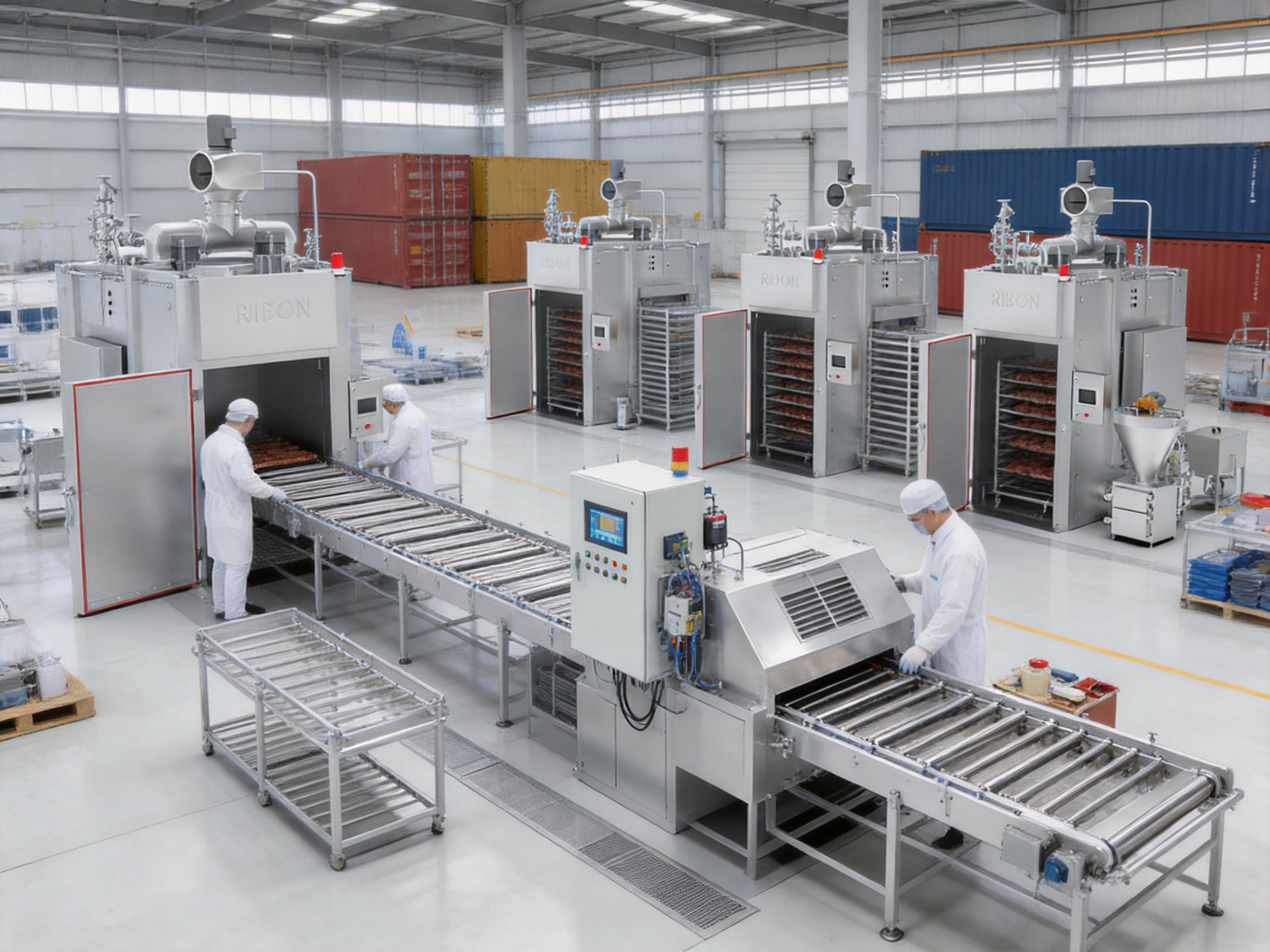
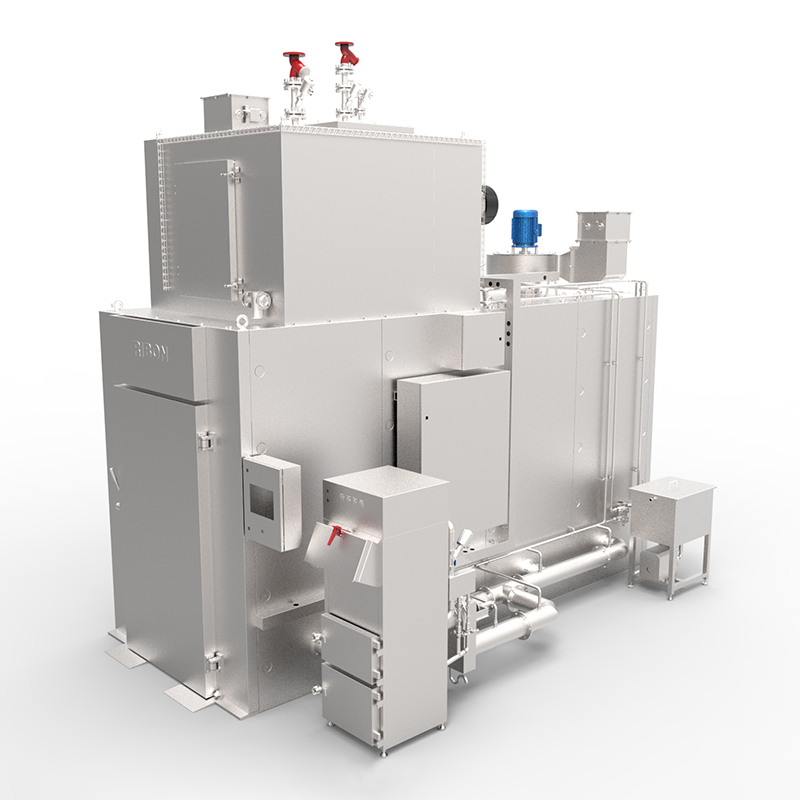
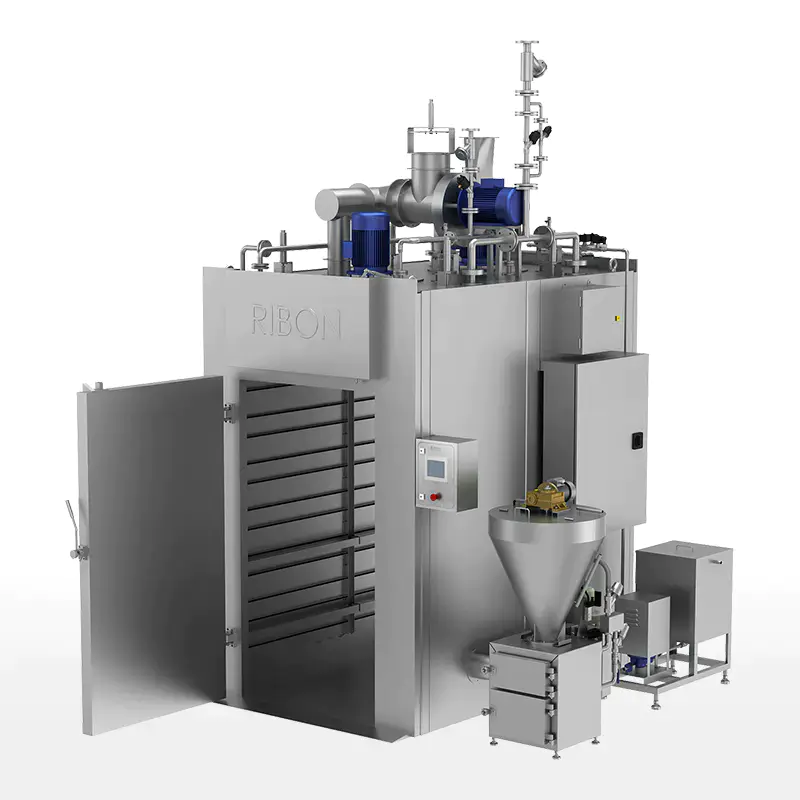
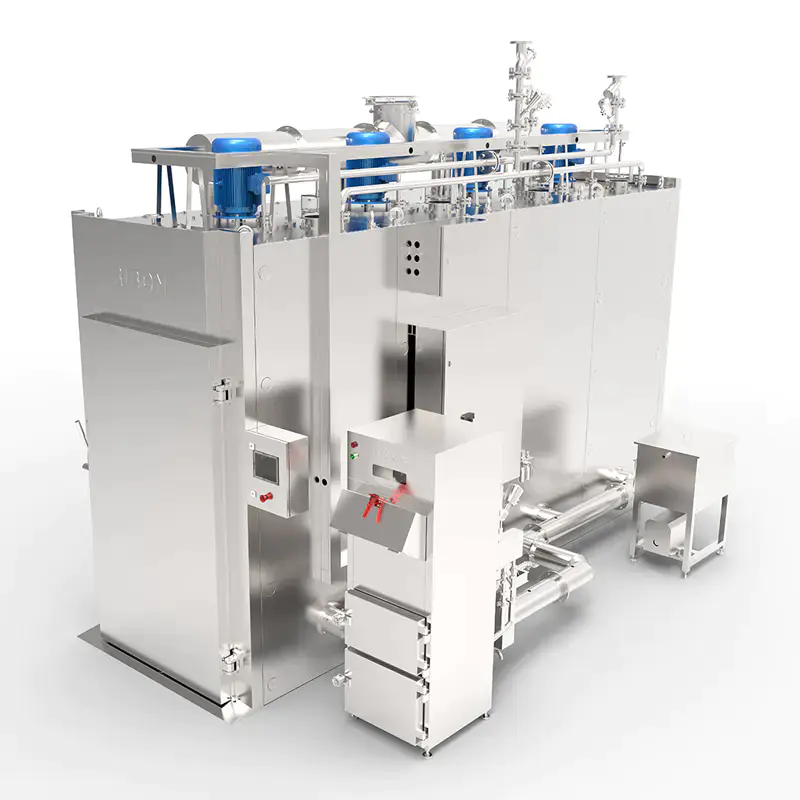
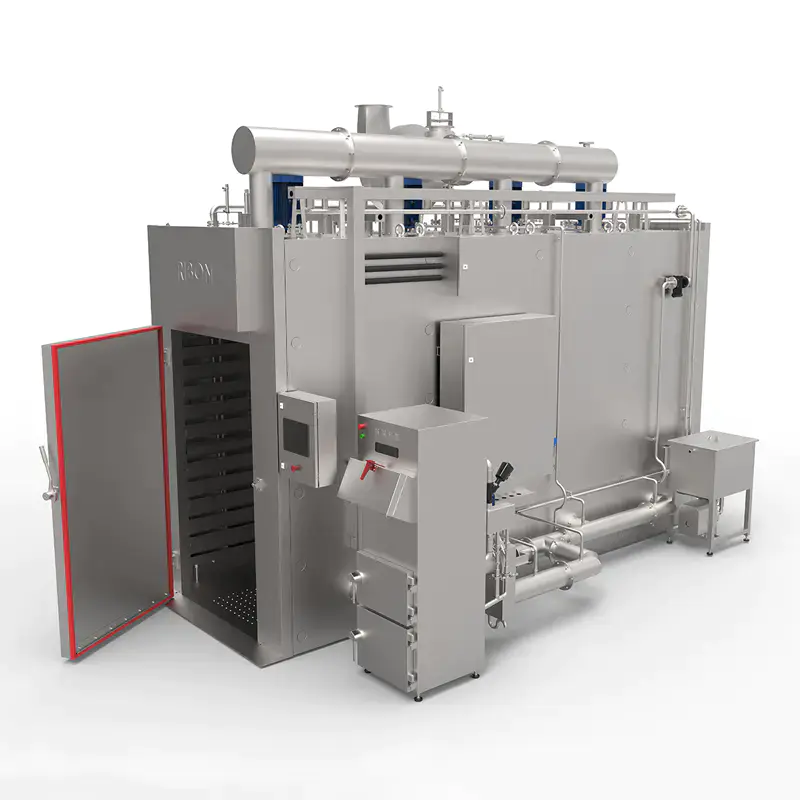
Modern meat processors need more than a heated chamber and a smoke source. They need a controlled production environment capable of handling different product shapes, loading arrangements, recipes, moisture levels, and production volumes while delivering repeatable results. The Variable Airflow Smokehouse has been developed to meet these requirements through intelligent airflow management, precise temperature and humidity control, flexible loading compatibility, automated process management, and hygienic construction.
Designed for drying, reddening, smoking, and cooking, this smokehouse is suitable for a broad range of meat products. It can process products suspended from sticks as well as products arranged on trays or mesh plates. This flexibility makes it valuable for processors producing sausages, ham, bacon, poultry products, cooked meat, smoked specialties, and other products that require carefully controlled thermal and atmospheric conditions.
The equipment is manufactured by Zhejiang Ribon Intelligent Equipment Co., Ltd., a Chinese meat processing machinery manufacturer established in 2003. The company specializes in smokehouses, vacuum tumblers, cutting and deboning lines, and complete meat processing solutions. Its long-term focus on meat machinery has enabled it to develop practical equipment for industrial production, export applications, and varied processing environments.
Content
- 1 Why Airflow Control Matters in a Smokehouse
- 2 One Smokehouse for Hanging and Tray-Loaded Products
- 3 Core Processing Functions
- 4 RUN-FLOW Technology and Three Operating Modes
- 5 Temperature and Humidity Management
- 6 External Smoke Generation and Safe Operation
- 7 Hygienic and Energy-Conscious Chamber Construction
- 8 Modular Design for Assembly and Transportation
- 9 High-Quality Components and Efficient Fan Technology
- 10 PLC Automation and Recipe Management
- 11 Fault Diagnosis and Power-Off Protection
- 12 Manufacturing Strengths and Quality Control
- 13 Advantages Over Conventional Fixed-Airflow Smokehouses
- 14 Capacity Options
- 15 Application Planning and Process Validation
- 16 Energy and Operating Efficiency
- 17 Integration into a Complete Meat Processing Line
- 18 Maintenance and Long-Term Reliability
- 19 Frequently Asked Questions
- 19.1 What products can the Variable Airflow Smokehouse process?
- 19.2 What are the three airflow modes?
- 19.3 Why is a frequency inverter used?
- 19.4 Can the equipment use both wood smoke and liquid smoke?
- 19.5 How does the equipment support hygiene?
- 19.6 Is the smokehouse suitable for different product loading methods?
- 19.7 What happens after a power failure?
- 19.8 What capacity options are available?
- 19.9 Can the smokehouse be transported internationally?
- 19.10 How should a customer select the correct model?
- 20 Conclusion
- 21 References
- 22 Product: Variable Airflow Smokehouse
Why Airflow Control Matters in a Smokehouse
Air movement is one of the most important factors in a smoking and cooking chamber. Heat, humidity, and smoke must reach the product evenly. If airflow is poorly designed, some products may dry too quickly while others remain wet. One side of a trolley may become darker than the other, and products positioned near the air inlet may receive a different treatment from those located in the center of the chamber.
Uneven airflow can create several production problems. Product surfaces may develop inconsistent color. Moisture loss may vary from one location to another. Cooking times may become difficult to predict, and the processor may need to extend the cycle to ensure that every product reaches the required condition. Longer cycles can reduce output and increase energy consumption.
The Variable Airflow Smokehouse addresses these challenges with frequency-inverter control and RUN-FLOW technology. The system provides uniform circulation while allowing the airflow direction and operating pattern to be changed according to the product and process stage. Instead of relying on one fixed circulation pattern, the smokehouse uses three distinct modes.
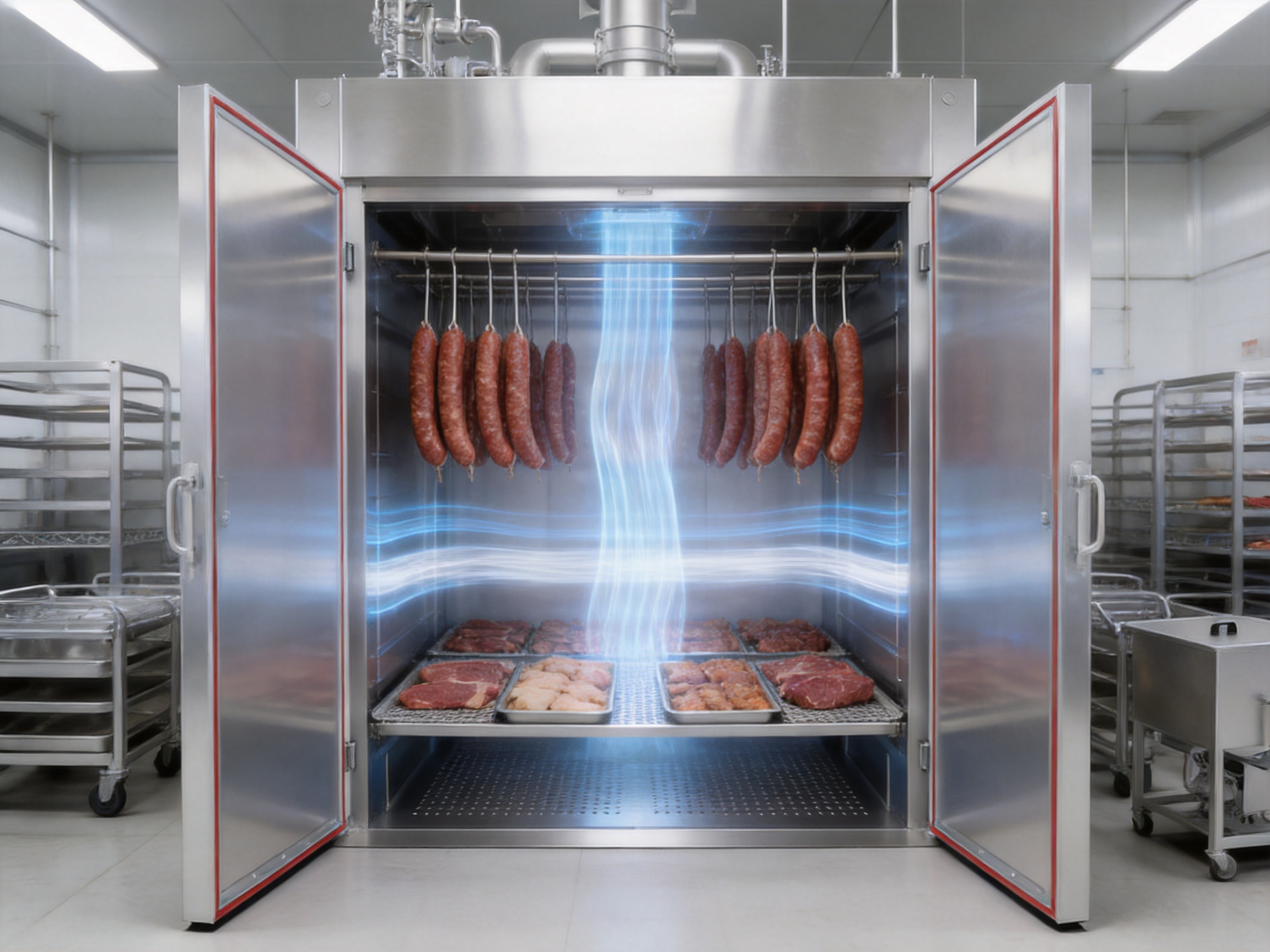
Mode 1 provides vertical airflow. This pattern directs air through the chamber in a vertical circulation path and can be selected for products or process stages that benefit from this movement.
Modes 2 and 3 provide alternating horizontal airflow. The direction changes during operation, helping balance the conditions on different sides of the trolley and reducing the possibility of localized hot or cold zones.
The ability to select and alternate airflow patterns is a major advantage over conventional smokehouses that use a fixed fan direction. It allows the processor to match air movement to the loading method, product arrangement, moisture condition, and recipe requirements.
One Smokehouse for Hanging and Tray-Loaded Products
Many meat processors handle multiple product categories. A plant may produce hanging sausages in one shift, tray-loaded cooked products in the next, and specialty items requiring a different drying or smoking profile later in the week. Equipment designed for only one loading method can limit production flexibility and increase the need for separate chambers.
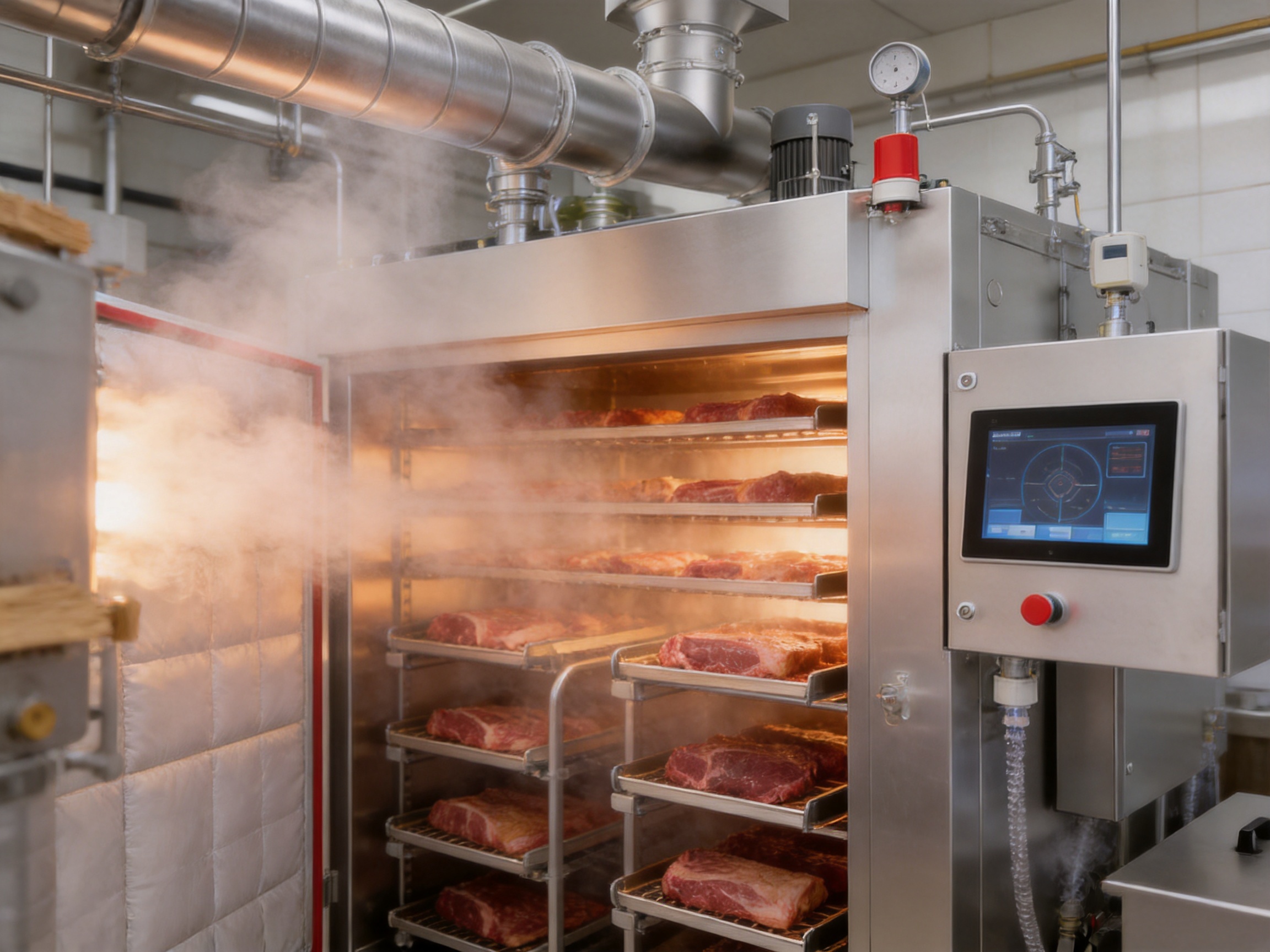
The Variable Airflow Smokehouse is specially designed for both hanging products on sticks and products placed on trays or mesh plates. This makes it possible to use one equipment platform for different product formats without compromising process control.
Hanging products can be loaded on suitable sticks or trolley systems, allowing air to circulate around their surfaces. This arrangement is commonly used for sausages, meat strips, links, and other products that require exposure on multiple sides.
Tray-loaded products can be arranged on mesh plates or other suitable supports. The variable airflow system helps maintain circulation even when trays create multiple horizontal layers. Alternating horizontal airflow can improve distribution across the tray surfaces, while vertical airflow can be selected when the product arrangement requires a different movement pattern.
This versatility can provide important commercial benefits. It can reduce the number of specialized chambers required, simplify production planning, and support smaller batches of different products. It also allows a processor to introduce new recipes without immediately investing in a completely different type of smokehouse.
The same variable airflow concept can also be applied to pet food drying. This expands the potential use of the equipment beyond traditional meat products and demonstrates the adaptability of the chamber design.
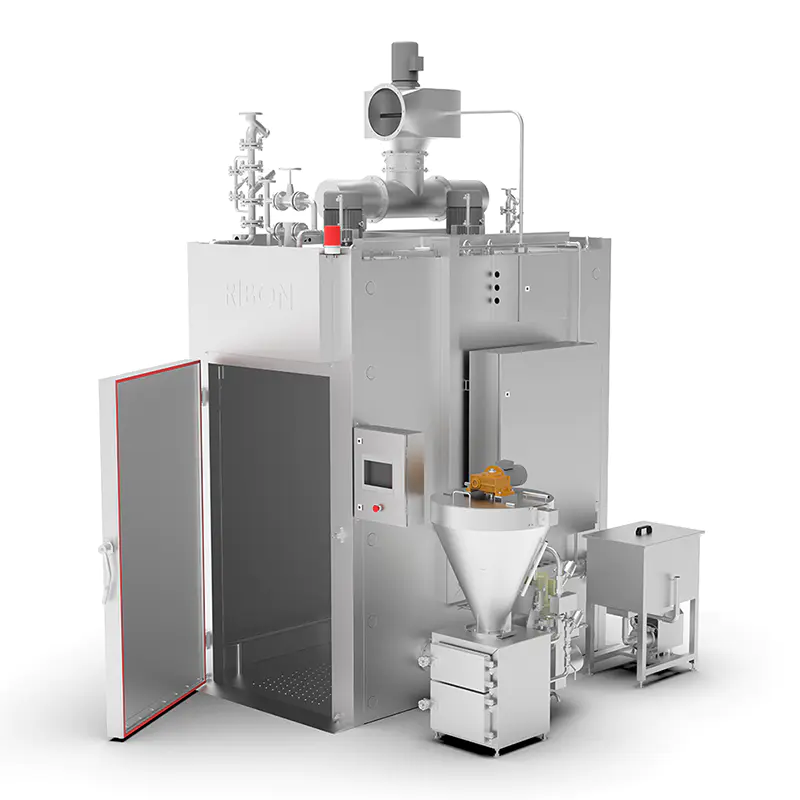
Variable Airflow Smokehouse
Core Processing Functions
Drying
Drying prepares the product surface for subsequent smoking and cooking. A properly dried surface can improve smoke adhesion, color formation, and final appearance. The smokehouse controls airflow, temperature, and humidity to remove moisture in a managed way rather than causing uncontrolled surface hardening.
Because the air movement can be adjusted, the processor can select a suitable circulation pattern for the product arrangement. This is particularly helpful when the chamber contains different trolley positions or products with varying surface areas.
Reddening
Reddening is an important stage for many processed meat products. It contributes to the characteristic appearance expected by consumers and can be influenced by temperature, humidity, airflow, and the processing recipe.
Stable environmental conditions help reduce color differences between products. The smokehouse is designed to maintain consistent temperature and humidity throughout the chamber, supporting a more uniform result from batch to batch.
Smoking
Smoking provides aroma, flavor, and color. The smokehouse uses an external wood chip smoke generator with adjustable smoke volume and density. This gives operators greater control over the smoking intensity and allows recipes to be adapted to product requirements.
An optional liquid smoke atomizer is also available. Liquid smoke can support smoke flavoring without the same type of emissions associated with conventional smoke generation. It can also simplify maintenance in applications where liquid smoke is preferred.
Cooking
Cooking requires accurate heat transfer and dependable temperature management. Uneven circulation can cause some products to reach the target condition sooner than others, making it difficult to determine the correct endpoint. The combination of controlled heating, humidity regulation, and variable airflow is intended to improve consistency across the entire load.
For industrial processors, consistent cooking is directly connected to food safety, yield, texture, and customer satisfaction. A controlled smokehouse helps establish repeatable recipes and reduces the need for manual intervention during each cycle.
RUN-FLOW Technology and Three Operating Modes
The RUN-FLOW system is the central airflow feature of this smokehouse. It combines controlled fan operation with configurable circulation directions. A frequency inverter allows the fan speed to be adjusted rather than simply operated at one fixed speed.
Variable fan speed can be useful because different products do not always require the same air velocity. Delicate products may benefit from a gentler movement, while other process stages may require more active circulation. The operator can use the control system to create a recipe that matches the product and production objective.
Vertical Airflow Mode
Vertical airflow is suitable for process conditions in which air must be moved through the height of the chamber. It can support circulation around hanging products and can provide an alternative movement pattern for tray arrangements.
This mode can also help processors manage different stages of a recipe. For example, a vertical pattern may be selected during a drying or heating stage, depending on the product configuration and the validated process parameters.
Alternating Horizontal Airflow Modes
The two alternating horizontal modes change the direction of air movement across the chamber. Alternating circulation can help balance exposure between the front and rear, left and right, or opposing sides of the load.
This feature is especially valuable in larger chambers and in applications where the product arrangement could otherwise shield certain areas from direct airflow. By changing the direction, the system helps reduce persistent differences in temperature, humidity, and smoke contact.
Compared with a fixed-direction airflow design, alternating circulation gives the operator an additional tool for achieving uniform treatment. It also provides more flexibility when processing products with different shapes, densities, and loading patterns.
Temperature and Humidity Management
Temperature and humidity are closely related in smoking and cooking processes. Temperature affects heating and cooking speed, while humidity influences drying rate, surface condition, smoke adhesion, texture, and weight loss. If either parameter changes excessively, the final product may differ from the intended specification.
The Variable Airflow Smokehouse is equipped with systems for regulating both parameters. A humidity control valve manages moisture conditions inside the chamber. A condensate drain valve collects condensate and supports efficient steam utilization and improved temperature uniformity.
Effective condensate management is important because excess water can interfere with heating and create unwanted differences within the chamber. Removing condensate in a controlled manner supports more stable operation and helps prevent unnecessary accumulation of moisture in the processing environment.
Humidity regulation also allows the processor to create different atmospheres for different stages. A drying stage may require controlled moisture removal, while cooking or a particular reddening stage may require a more humid environment. The exact settings should be established through product trials, process validation, and food safety requirements.
Stable environmental conditions help improve production repeatability. When the same recipe produces similar temperature and humidity profiles on every cycle, operators can better predict cooking time, product yield, appearance, and texture.
External Smoke Generation and Safe Operation
The external wood chip smoke generator is designed to provide adjustable smoke volume and density. Operators can adapt the smoke intensity to the product recipe rather than relying on a single fixed level. This is useful for products that require light smoke as well as products with a stronger traditional smoke profile.
Separating the smoke generator from the main chamber can provide practical maintenance and operating advantages. It allows the smoke source to be managed as a dedicated system and can make cleaning, inspection, and adjustment more convenient.
A fire alarm is incorporated to support safe operation. Smoke generation involves heat and combustible materials, so safety monitoring is an essential part of the equipment design. The system is intended to support compliance with food machinery standards and to provide an additional layer of protection for personnel, products, and facilities.
For plants seeking an alternative to wood chip smoke, the optional liquid smoke atomizer can provide a different method of smoke application. This option offers no-emission operation at the chamber level and can simplify maintenance. The appropriate choice depends on the product profile, local regulations, customer expectations, and the processor’s preferred production method.
Hygienic and Energy-Conscious Chamber Construction
A meat processing chamber must be capable of maintaining thermal stability while also meeting demanding sanitation requirements. The chamber walls are insulated with polyurethane foam or rock wool to reduce heat transfer and improve energy efficiency.
Good insulation helps the smokehouse retain heat and reduces the energy required to maintain the target temperature. It can also support a more stable internal environment by limiting the influence of external temperature changes.
The design also includes a small-angle solid trolley ramp. This feature is intended to improve trolley movement and operator safety while helping minimize product contamination risks. A stable transition between the floor and trolley position can make loading and unloading more controlled, particularly when heavy loads are handled.
Sanitary design must be considered across the entire equipment system, not only on visible internal surfaces. Smooth, accessible, and appropriately arranged components can help reduce the accumulation of residue and make cleaning more effective.
The modular CIP cleaning system allows users to select cleaning positions according to the chamber configuration and production requirements. This provides flexibility in cleaning operations and can improve cleaning efficiency compared with a fixed arrangement that does not match every product or trolley layout.
Cleaning programs should always be developed in accordance with the processor’s sanitation procedures, cleaning chemical recommendations, water quality, product residues, and applicable regulatory requirements. Equipment capability supports sanitation, but the final cleaning validation remains the responsibility of the processing facility.
Modular Design for Assembly and Transportation
The smokehouse uses a modular chamber design. Modular construction can provide significant advantages during equipment assembly, transportation, installation, and future expansion.
Large processing equipment can be difficult to move through standard factory entrances or transport in a fully assembled condition. A modular system can be separated into practical sections, making installation easier at sites with restricted access. It can also help save container space during international shipment.
For exporters and international customers, efficient container use can reduce transportation complexity and improve logistics planning. Modular assembly may also allow equipment to be adapted to different site layouts and production capacities.
Once installed, the chamber is assembled into an integrated processing unit. The modular approach does not eliminate the need for careful installation. Correct alignment, sealing, electrical connection, steam or heating connection, drainage, ventilation, and control-system commissioning are all important for reliable operation.
Modular construction can also support service and replacement activities. When equipment sections and key assemblies are logically organized, maintenance personnel can more easily identify components and complete service work without dismantling unrelated parts.
High-Quality Components and Efficient Fan Technology
The smokehouse uses electrical and pneumatic components sourced from internationally recognized suppliers. High-quality components can improve system stability, simplify spare-parts planning, and support dependable long-term operation.
The circulation system uses a special low-speed, high-pressure fan. This fan design is intended to provide effective air movement while limiting energy consumption and noise. Low-speed operation can be advantageous in a food processing environment where operators work near the equipment and where unnecessary noise can affect the working environment.
A high-pressure fan can help maintain circulation through loaded trolleys, trays, and products that create resistance to airflow. The goal is not simply to move a large volume of air, but to distribute it in a controlled manner throughout the working chamber.
The frequency inverter provides further control over fan performance. Instead of operating at one fixed output, the system can adjust the fan according to recipe requirements. This may reduce energy use during stages that do not require maximum airflow and can help protect product quality by avoiding excessive surface movement.
Component quality affects more than initial operation. Reliable sensors, valves, fan motors, inverters, alarms, and control elements can reduce unexpected downtime and improve the predictability of preventive maintenance. For a commercial processor, equipment reliability is closely linked to production capacity and delivery commitments.
PLC Automation and Recipe Management
The smokehouse uses PLC-based automatic control with a touchscreen interface. Operators can set processing parameters, select recipes, manage programs, and view the current process status from the control panel.
Automation reduces dependence on manual adjustments. Instead of requiring an operator to repeatedly monitor and change settings, the PLC can execute the programmed sequence. This supports repeatability and makes it easier to standardize products across shifts and production teams.
Recipes can be created for different product categories. A recipe may include stages for drying, reddening, smoking, cooking, humidity adjustment, airflow mode selection, fan speed, and process duration. The specific values must be established through testing and validated according to product and regulatory requirements.
Real-time status display gives operators information about the current process. Monitoring may include temperature, humidity, stage status, airflow operation, smoke generation, alarms, and other configured parameters. Clear status information helps operators respond quickly when a condition requires attention.
Data recording supports production traceability and process analysis. Recorded information can help processors compare batches, investigate deviations, review energy or water use, and improve recipes over time.
Automation also supports training. A structured recipe system can reduce variation between experienced and less experienced operators. While skilled personnel remain essential, the control system provides a repeatable operating framework.
Fault Diagnosis and Power-Off Protection
Unplanned interruptions can result in product loss, delayed shipments, and additional labor. The smokehouse includes intelligent fault diagnosis that displays fault information on the touchscreen. Clear diagnostic information can help maintenance personnel identify the affected system and reduce troubleshooting time.
Fault indications may relate to sensors, heating, fans, valves, power supply, smoke generation, humidity, or other equipment functions. The exact diagnostic content depends on the installed configuration and control program.
The system is also designed to restart with the original process data after a power outage or fault. This function can help reduce production loss by preserving the relevant operating information instead of requiring the operator to reconstruct the process manually.
Power-off recovery should be managed in accordance with the facility’s food safety procedures. After an interruption, the processor should evaluate product temperature, time exposure, chamber conditions, and the applicable safety plan before deciding whether production can continue. Automatic recovery improves convenience, but it does not replace process verification.
Maintenance personnel should also use the diagnostic system together with regular inspection. Preventive maintenance of fans, heating systems, sensors, seals, valves, drains, smoke generators, electrical connections, and safety devices is essential for reliable operation.
Manufacturing Strengths and Quality Control
The performance of a smokehouse depends on the quality of its design, components, fabrication, assembly, control programming, and final testing. Zhejiang Ribon Intelligent Equipment Co., Ltd. has focused on meat processing machinery since 2003 and has developed experience across smokehouses, vacuum tumblers, cutting systems, deboning equipment, and related solutions.
The company’s specialization provides an important advantage over general industrial equipment suppliers. Meat processing machinery must address food hygiene, product handling, thermal control, moisture management, cleaning, safety, production yield, and operator usability at the same time. A manufacturer dedicated to this field is more likely to understand the relationship between these requirements.
Ribon reports a production capacity of approximately 1,000 smokehouse units per year. This manufacturing scale supports standardized production, component planning, engineering experience, and a broad understanding of customer applications.
The manufacturing process places particular emphasis on key components that directly affect equipment performance and reliability. Incoming materials are inspected before entering production. In-process parameters are monitored during manufacturing, and dimensional accuracy is verified against defined requirements.
Each batch of critical components is tested according to predefined specifications. Only components that meet the required criteria are approved for assembly. This approach reduces the risk of installing parts that could later affect chamber sealing, airflow, heating, sanitation, or control accuracy.
Quality control should not be viewed as a single final inspection. It is more effective when integrated throughout the manufacturing process. Material inspection, fabrication control, welding or assembly checks, electrical verification, dimensional inspection, control-system testing, and final functional evaluation each contribute to the finished machine.
For customers, this structured approach can provide greater confidence that the equipment will perform consistently after installation. It also supports easier troubleshooting because the machine is built around defined component specifications and documented production requirements.
Advantages Over Conventional Fixed-Airflow Smokehouses
The most important advantage is flexibility. A conventional smokehouse with one fixed airflow direction may perform adequately for a narrow product range, but it can become less effective when products, loading patterns, or batch sizes change. Variable airflow allows the operator to adapt circulation to the application.
Another advantage is improved process uniformity. Alternating horizontal airflow helps balance exposure across the load, while vertical airflow provides a different circulation pattern when needed. This can reduce differences in color, moisture, and cooking condition between product positions.
The frequency inverter provides a further advantage over fixed-speed fan systems. Adjustable fan speed can support recipe-specific operation, potentially reducing unnecessary energy consumption and helping protect product surfaces from excessive air movement.
The smokehouse also combines several functions in one unit. Drying, reddening, smoking, and cooking can be managed through programmed stages. This can simplify production flow and reduce the need to transfer products between separate machines.
Hanging and tray-loaded product compatibility is another competitive strength. Plants that produce different product formats can use the same basic chamber design rather than purchasing separate equipment for every loading method.
The integrated PLC system offers advantages over manually controlled chambers. Recipes, parameters, and production programs can be stored and repeated. Operators can monitor the process through the touchscreen, and data can be recorded for analysis and traceability.
Hygiene and maintenance are also central differentiators. Insulated chamber construction, a solid trolley ramp, adjustable CIP positions, condensate management, and an optional liquid smoke atomizer support cleaner and more manageable production.
Finally, the manufacturer’s specialization in meat processing equipment provides an advantage in application support. A smokehouse is not an isolated heating device; it is part of a larger production system. Experience in vacuum tumbling, cutting, deboning, and other processing stages can help the manufacturer understand how the smokehouse must interact with upstream and downstream operations.
Capacity Options
The smokehouse is available in several trolley and capacity configurations. The RYX series offers options from one trolley to four trolleys, with stated capacities from 250 kilograms to 1,000 kilograms. Electrical heating power and steam consumption vary according to the selected configuration.
| Series | Trolleys | Capacity | Power | Electric Heating Power | Steam Consumption |
|---|---|---|---|---|---|
| RYX | 1 | 250 kg | 6.1 kW | 30 kW | 40 kg/h |
| RYX | 2 | 500 kg | 10.1 kW | 60 kW | 80 kg/h |
| RYX | 3 | 750 kg | 14.1 kW | 90 kW | 120 kg/h |
| RYX | 4 | 1,000 kg | 18.1 kW | 120 kW | 160 kg/h |
| RYXN | 2 | 500 kg | 9 kW | Not specified | 80 kg/h |
| RYXN | 4 | 1,000 kg | 17 kW | Not specified | 160 kg/h |
The listed technical data is provided for reference. Actual values may vary according to configuration, heating method, chamber dimensions, control options, utility conditions, and customer requirements.
The range allows processors to select a chamber size that matches current production while considering future growth. A smaller unit may be suitable for pilot production, specialty products, or moderate output. Larger configurations can support continuous industrial production and reduce the number of batches required to meet daily demand.
Application Planning and Process Validation
Choosing the correct smokehouse configuration requires more than comparing nominal capacity. Processors should evaluate product type, product dimensions, loading density, trolley arrangement, required cycle time, heating source, available steam, electrical supply, smoke preference, cleaning practices, and facility layout.
Product trials are recommended before finalizing recipes. During trials, processors can evaluate drying behavior, color development, smoke intensity, weight loss, cooking uniformity, texture, and final yield. Temperature and humidity measurements should be compared across different trolley positions to verify that the chamber performs as required under realistic loading conditions.
Loading density is especially important. A chamber loaded beyond the validated arrangement may restrict air movement and change the process result. The variable airflow system improves flexibility, but it does not eliminate the need for correct loading practices.
Operators should also establish procedures for hanging products and tray-loaded products separately. The two arrangements may require different airflow modes, fan speeds, humidity levels, and cycle times. A well-designed recipe system makes it possible to manage these differences systematically.
Cleaning validation should be conducted after installation and whenever major products, cleaning chemicals, or operating procedures change. The modular CIP system provides configurable cleaning positions, but sanitation performance should be confirmed through the facility’s established verification methods.
Energy and Operating Efficiency
Energy efficiency is influenced by insulation, heating method, fan operation, process duration, steam management, loading practice, and equipment maintenance. The smokehouse addresses several of these factors through insulated chamber walls, low-speed high-pressure fan technology, frequency-inverter control, condensate management, and recipe automation.
Insulation reduces heat loss through the chamber walls. Efficient fan operation can reduce the power required to circulate air. Variable speed control allows the fan to operate at an appropriate level rather than continuously running at maximum output.
Controlled humidity and condensate drainage support better use of steam. If moisture accumulates unnecessarily, the process may become less efficient and less predictable. Proper drainage helps the system maintain the intended atmosphere.
Automation can also improve efficiency by reducing over-processing. When the process is accurately controlled and repeatable, operators are less likely to extend cycles unnecessarily as a precaution against uneven results. Shorter validated cycles can improve throughput and reduce utility consumption.
Energy performance depends on the complete installation. Door sealing, steam quality, insulation condition, trolley loading, maintenance, and operator practices all influence actual consumption. Customers should evaluate energy use under their own product and utility conditions rather than relying only on nominal equipment specifications.
Integration into a Complete Meat Processing Line
The Variable Airflow Smokehouse can serve as an important stage within a wider meat processing system. Depending on the product, upstream processes may include cutting, trimming, grinding, mixing, emulsifying, seasoning, stuffing, forming, or vacuum tumbling. Downstream processes may include chilling, slicing, packaging, inspection, and storage.
Ribon’s experience with vacuum tumblers, cutting and deboning solutions, and related meat machinery allows customers to discuss smokehouse requirements in the context of the complete production line. This can help identify trolley dimensions, product transfer needs, batch sizes, and process timing.
For example, a processor may need to coordinate the output of a vacuum tumbler with the loading schedule of the smokehouse. A sausage producer may need to match stuffing capacity with hanging trolley capacity. A cooked meat operation may need to coordinate smokehouse unloading with chilling and slicing equipment.
Line integration can improve labor utilization and reduce waiting time between operations. It can also support more consistent batch identification and traceability. The control system’s data management functions can contribute to this broader production record when connected with the facility’s operating procedures.
Maintenance and Long-Term Reliability
Routine maintenance is essential for protecting the performance advantages of the smokehouse. Fans should be inspected for cleanliness, vibration, bearing condition, and correct operation. Sensors should be checked for accuracy, and valves should be inspected for leaks or restricted movement.
The smoke generator requires attention to combustion or smoke-generation components, residue accumulation, safety devices, and airflow paths. If a liquid smoke atomizer is installed, its nozzles, supply system, and cleaning procedures should be maintained according to the manufacturer’s recommendations.
Drains and condensate collection points should be cleaned regularly to prevent blockage. Door seals should be checked for damage or compression loss because poor sealing can increase energy consumption and reduce temperature stability.
Electrical cabinets, inverters, control panels, and pneumatic systems should be inspected by qualified personnel. Fault records from the PLC can be reviewed to identify recurring issues before they become major failures.
Preventive maintenance schedules should be based on operating hours, product residue, cleaning frequency, utility conditions, and the manufacturer’s recommendations. A well-maintained smokehouse is more likely to deliver stable process conditions, lower downtime, and a longer service life.
Frequently Asked Questions
What products can the Variable Airflow Smokehouse process?
The smokehouse is designed for meat products requiring drying, reddening, smoking, or cooking. It can handle products suspended on sticks and products arranged on trays or mesh plates. The variable airflow system can also be applied to pet food drying.
What are the three airflow modes?
Mode 1 is vertical airflow. Modes 2 and 3 are alternating horizontal airflow modes. The different patterns allow the operator to adapt air circulation to the product arrangement and process stage.
Why is a frequency inverter used?
A frequency inverter allows fan speed to be adjusted according to the recipe and product requirements. This can improve process control, support different product types, and help reduce unnecessary energy consumption.
Can the equipment use both wood smoke and liquid smoke?
Yes. The standard configuration includes an external wood chip smoke generator with adjustable smoke volume and density. A liquid smoke atomizer is available as an option for applications that prefer liquid smoke and reduced chamber emissions.
How does the equipment support hygiene?
The chamber uses insulated construction and a sanitary design that includes a solid trolley ramp. A modular CIP cleaning system allows users to select cleaning positions according to their production needs. Proper sanitation procedures and validation remain necessary at the customer’s facility.
Is the smokehouse suitable for different product loading methods?
Yes. It is designed for both hanging products on sticks and products placed on trays or mesh plates. This makes it suitable for processors with multiple product categories.
What happens after a power failure?
The control system is designed to restart with the original process data after a power outage or fault. The processor should still evaluate product safety and process conditions according to its food safety procedures before continuing production.
What capacity options are available?
The RYX series includes one-, two-, three-, and four-trolley configurations with reference capacities from 250 kilograms to 1,000 kilograms. The RYXN series includes two- and four-trolley options with reference capacities of 500 kilograms and 1,000 kilograms.
Can the smokehouse be transported internationally?
Yes. Its modular design supports easier assembly and can save container space during shipment. Final logistics depend on the selected configuration and installation requirements.
How should a customer select the correct model?
Selection should consider product type, batch size, loading method, target throughput, heating source, steam availability, electrical supply, smoke requirements, cleaning system, factory layout, and future production plans. Product trials and technical consultation are recommended before final selection.
Conclusion
The Variable Airflow Smokehouse combines flexible airflow, precise environmental control, automated recipe management, hygienic construction, and industrial manufacturing experience in one meat processing solution. Its ability to use vertical and alternating horizontal airflow gives processors greater control than a conventional fixed-airflow chamber.
The equipment is suitable for hanging and tray-loaded products, supports drying, reddening, smoking, and cooking, and can also be applied to pet food drying. Frequency-inverter control, efficient fan technology, adjustable smoke generation, humidity regulation, condensate management, and PLC automation contribute to stable and repeatable production.
Its modular chamber design supports transportation and installation, while insulation and a configurable CIP system address energy and sanitation requirements. Intelligent fault diagnosis and power-off recovery can reduce operational disruption, and quality control procedures for key components support long-term reliability.
With experience in meat processing machinery since 2003 and production capability of approximately 1,000 smokehouse units per year, Zhejiang Ribon Intelligent Equipment Co., Ltd. offers equipment designed around practical industrial requirements. For processors seeking a flexible smokehouse that can support multiple products, improve batch consistency, and integrate into a broader meat processing line, the Variable Airflow Smokehouse is a strong solution for modern production.
References
1. Zhejiang Ribon Intelligent Equipment Co., Ltd. Variable Airflow Smokehouse Product Information.
2. Zhejiang Ribon Intelligent Equipment Co., Ltd. RYX and RYXN Series Technical Data.
3. General principles of thermal processing, smoking, drying, and humidity management in meat processing.
4. General hygienic design and cleaning considerations for food processing machinery.
5. General practices for preventive maintenance, process validation, and quality control in industrial food equipment manufacturing.