

 English
 русский
 Español
 عربى

Modern meat processors must deliver products with an attractive appearance, a distinctive smoke flavor, stable quality, and reliable food safety. At the same time, they are expected to reduce production costs, limit environmental impact, and maintain efficient cleaning routines. Traditional smoking methods can make these goals difficult to balance because they depend on combustion, wood quality, operator experience, airflow, temperature, and long smoking cycles.
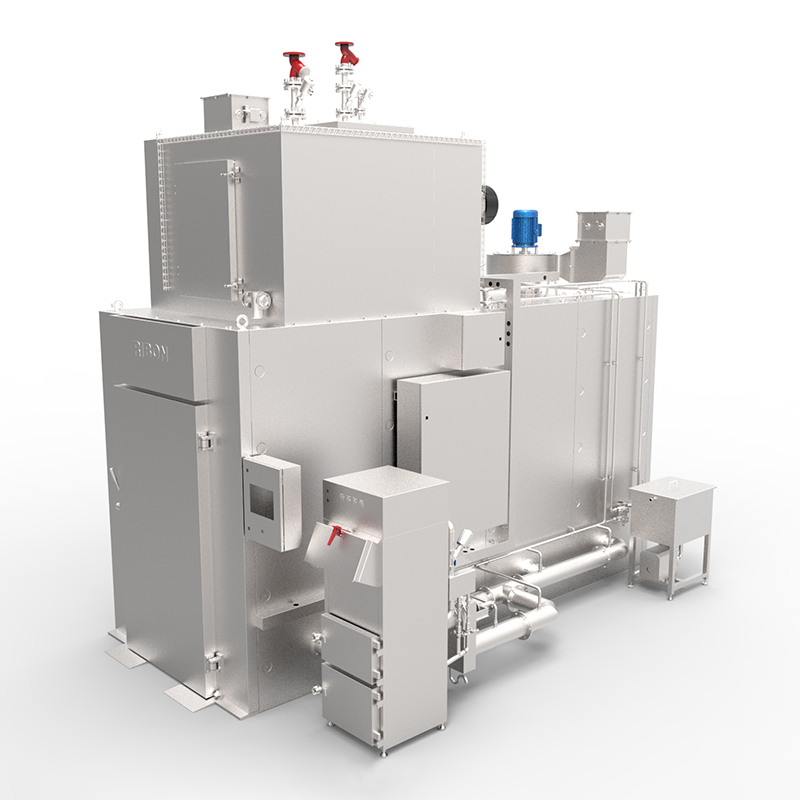
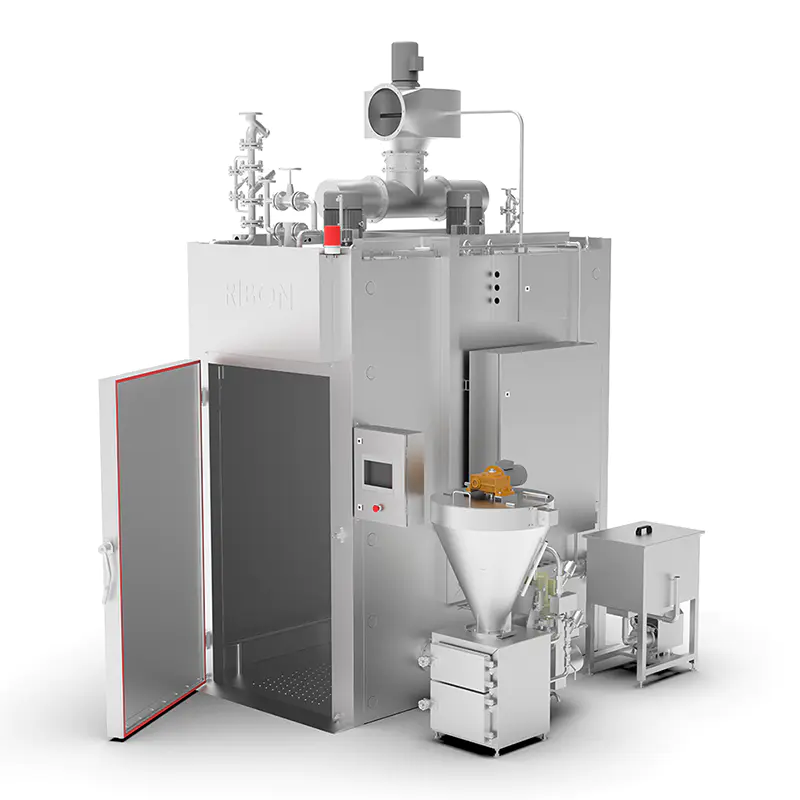
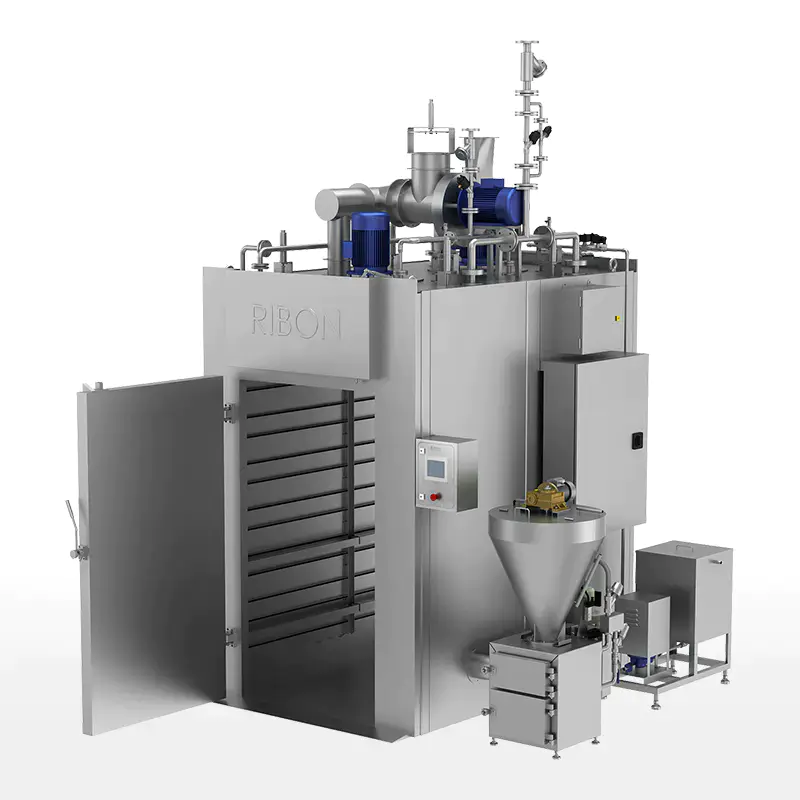
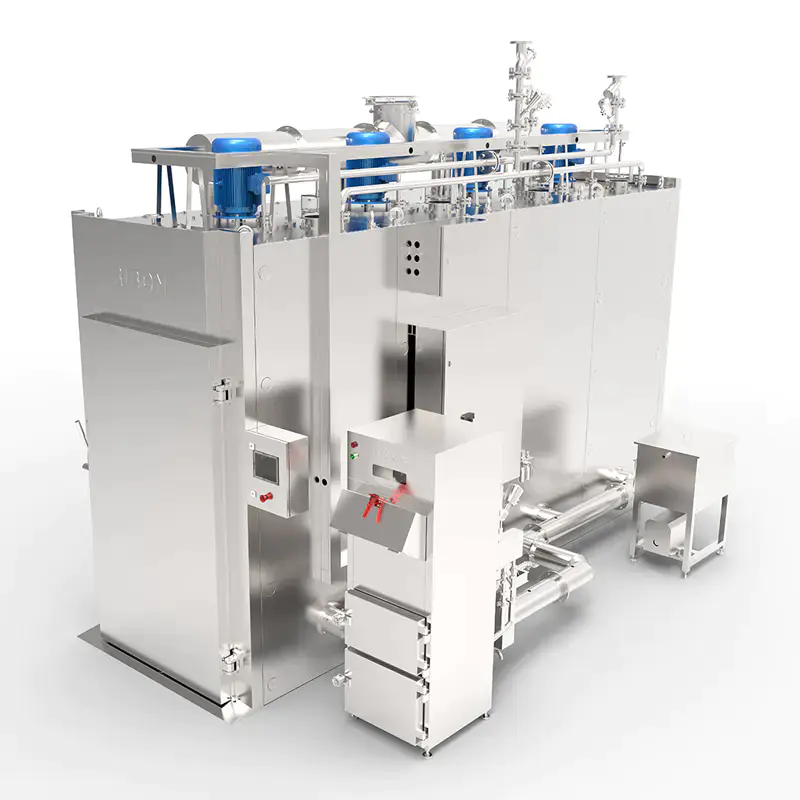
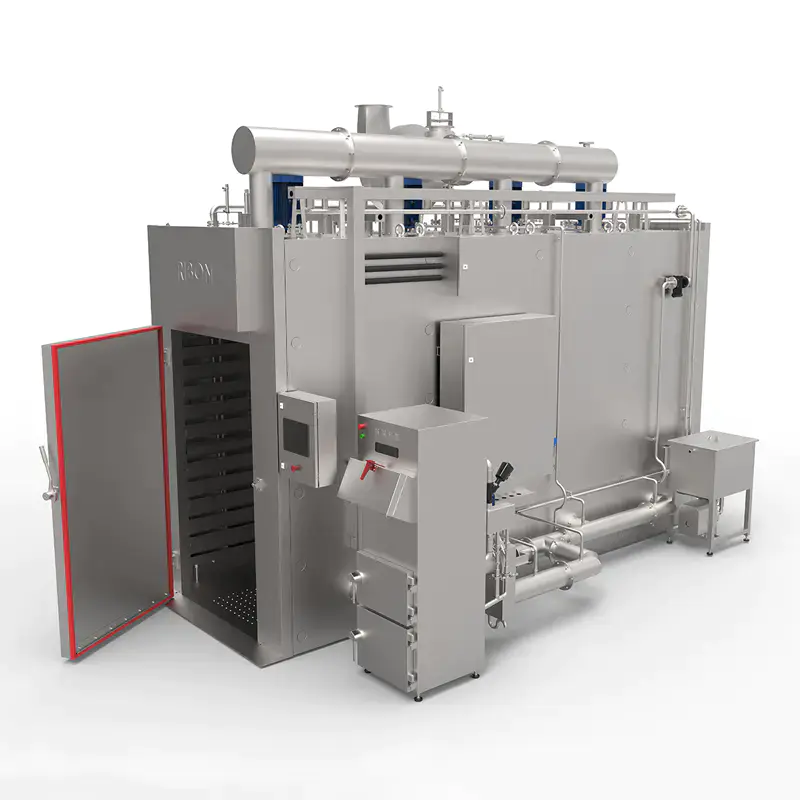
A liquid smoke atomizer offers a controlled alternative. Instead of generating smoke through direct combustion inside the smokehouse, the system converts prepared liquid smoke into a fine, evenly distributed mist. This mist can be applied to meat products in a controlled processing environment, helping manufacturers achieve consistent color and flavor while reducing the risks and operating difficulties associated with conventional smoke generation.
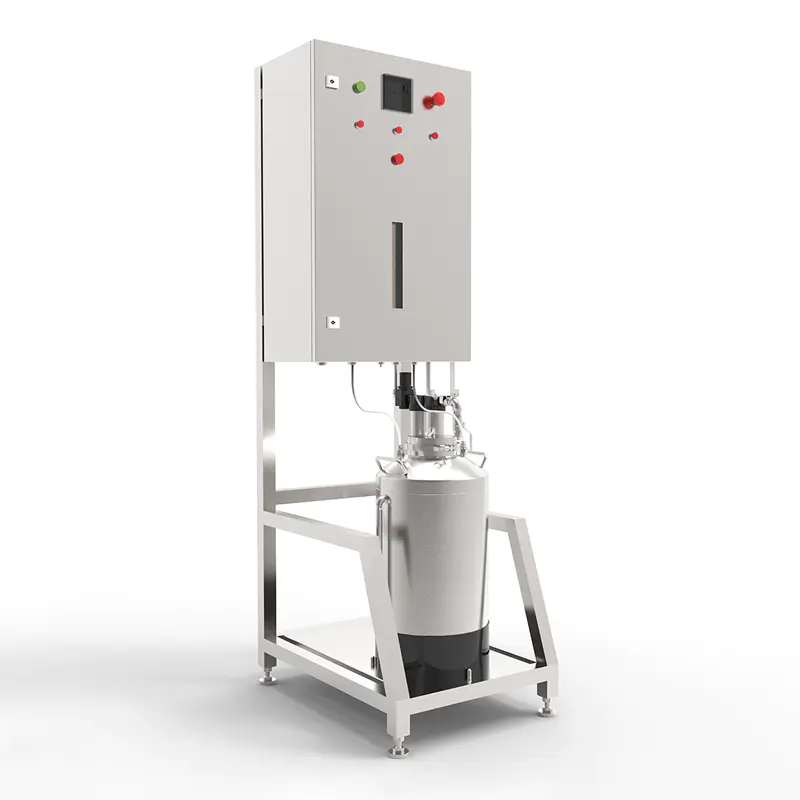
Designed for meat processing smokehouses, a modern liquid smoke atomizer combines atomization technology, concentration control, automated delivery, and self-cleaning functions. These capabilities make it suitable for processors seeking a cleaner, more repeatable, and more efficient smoking solution for sausages, ham, bacon, poultry, cooked meat products, and other smoked foods.
Zhejiang Ribon Intelligent Equipment Co., Ltd. is a China-based manufacturer specializing in meat processing machinery and integrated processing solutions. With experience in smokehouses, vacuum tumblers, slaughtering systems, cutting and deboning lines, and related equipment, the company develops machinery intended to work within complete production workflows rather than as isolated units.
Liquid Smoke Atomizer
Content
- 1 What Is a Liquid Smoke Atomizer?
- 2 Why Liquid Smoke Atomization Is Important in Meat Processing
- 3 Core Advantages of the Liquid Smoke Atomizer
- 4 How the Liquid Smoke Atomizer Works
- 5 How the Self-Cleaning System Functions
- 6 Comparison With Traditional Smoke Generation
- 7 Advantages Over Competing Liquid Smoke Systems
- 8 Manufacturing Strengths of the Equipment Supplier
- 9 Manufacturing and Quality Considerations
- 10 Application Areas
- 11 Installation and Operating Recommendations
- 12 Economic and Environmental Value
- 13 Selection Guide for Buyers
- 14 Q&A About the Liquid Smoke Atomizer
- 14.1 What is the main purpose of a liquid smoke atomizer?
- 14.2 Does the atomizer burn wood or sawdust?
- 14.3 Can the smoke concentration be adjusted?
- 14.4 What products can be processed?
- 14.5 How does the self-cleaning system work?
- 14.6 Does self-cleaning eliminate manual maintenance?
- 14.7 Can the system reduce smoking time?
- 14.8 Is the equipment environmentally friendly?
- 14.9 What safety measures are still required?
- 14.10 Why is manufacturer experience important?
- 15 Conclusion
- 16 References
- 17 Product: Liquid Smoke Atomizer
What Is a Liquid Smoke Atomizer?
A liquid smoke atomizer is a food-processing device that transforms liquid smoke into very small droplets or particles and distributes them through a smoking chamber. Liquid smoke is generally produced by condensing natural wood smoke and separating or refining the resulting components to create a controlled liquid flavoring solution. The atomizer then disperses this solution over or around the food product.
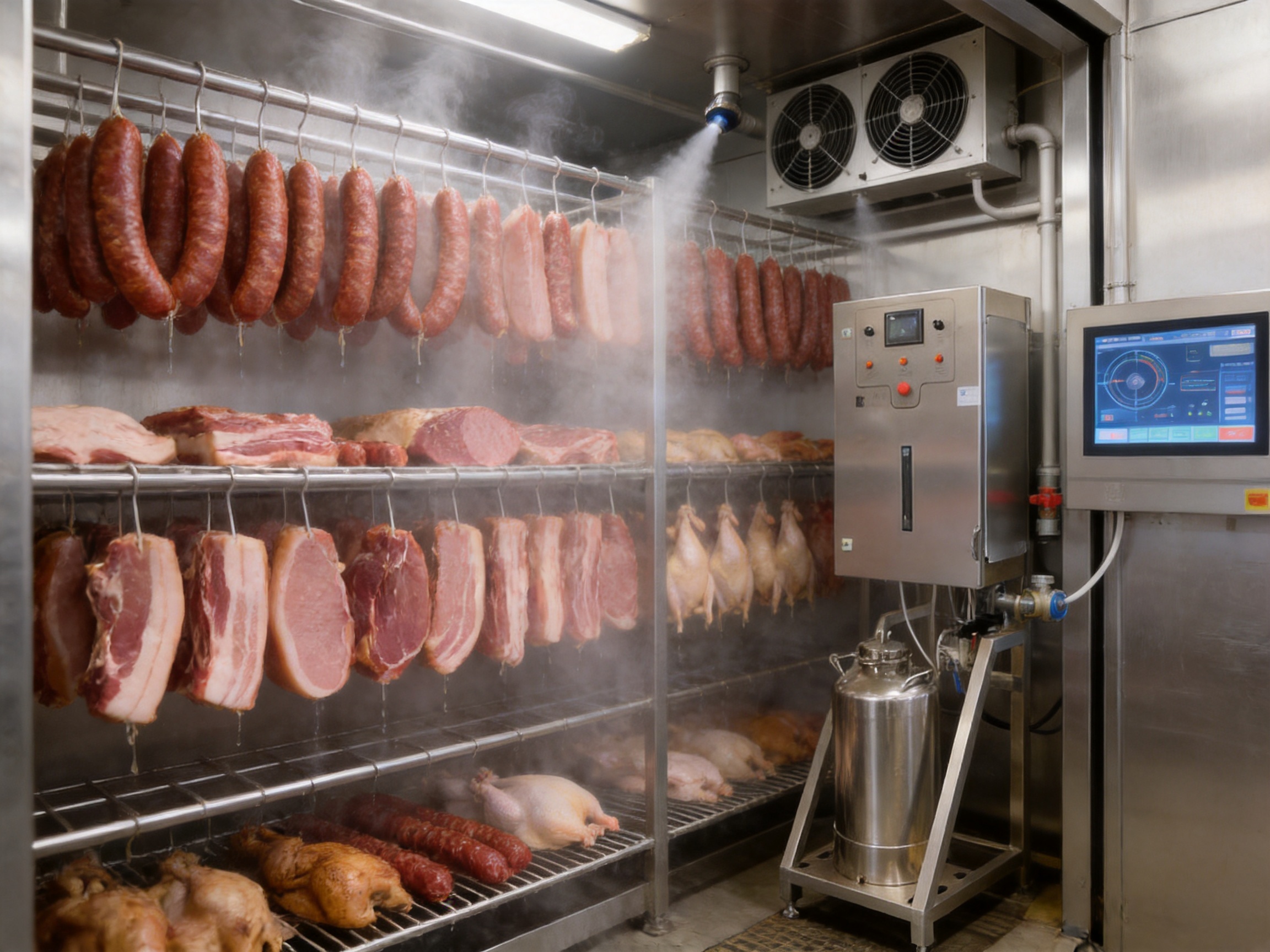
In a meat processing application, the atomizer is normally connected to a smokehouse or installed as part of a controlled smoking system. The product is placed inside the chamber, the desired smoking program is selected, and the atomizer introduces a measured quantity of liquid smoke. Air circulation helps distribute the mist around the product so that the exposed surfaces receive a more uniform treatment.
Unlike a traditional smoke generator, the atomizer does not need to burn wood chips or sawdust during each smoking cycle. This eliminates many variables related to combustion, including inconsistent fuel moisture, fluctuating fire intensity, ash generation, and smoke density changes. The result is a more controllable process that can be adjusted to suit the recipe and product type.
The atomization process may use controlled pressure, specialized nozzles, or other dispersion technologies to break the liquid into fine droplets. Depending on the equipment configuration, the system may also use air movement, heating, or other supporting mechanisms to improve the distribution of the smoke solution. The exact operating method depends on the model and the requirements of the smokehouse installation.
Smart controls allow operators to adjust important parameters such as liquid smoke concentration, spray duration, flow rate, and processing time. These controls are particularly important for industrial processors because small changes in smoking intensity can affect product color, aroma, taste, and surface appearance.
Why Liquid Smoke Atomization Is Important in Meat Processing
Smoking is more than a flavoring step. It can influence the visual identity, aroma, surface characteristics, and market acceptance of a meat product. Consumers often associate a balanced smoke profile with quality and traditional processing. However, achieving this profile consistently can be difficult when the process depends on an open or semi-open combustion source.
A liquid smoke atomizer separates the delivery of smoke flavor from the production of smoke through fire. The processor can use a standardized liquid smoke formulation and apply it in a measured way. This gives the production team greater control over the process and makes it easier to reproduce the same result from one batch to another.
The system is also useful where a factory must process several product types. Sausages may require a different smoke intensity from cooked ham. Poultry products may need a lighter color, while certain specialty products may require a stronger aroma. A programmable atomization system can support these differences by allowing operators to change the concentration and duration of the application without rebuilding the entire smoke-generation process.
For high-volume manufacturers, process repeatability is a major commercial advantage. A stable smoking process can reduce batch-to-batch variation, simplify quality control, and reduce the number of products that require rework. It also supports more accurate production planning because smoking times and operating conditions become easier to predict.
Core Advantages of the Liquid Smoke Atomizer
Controlled Smoke Concentration
One of the central advantages of the system is smart concentration control. Traditional smoke generation can produce different smoke densities depending on the type and condition of the fuel, the air supply, the temperature, and the operator’s adjustments. A liquid smoke atomizer uses a prepared liquid and a controlled delivery system, allowing the smoking intensity to be adjusted more precisely.
Concentration control helps manufacturers develop a repeatable recipe. The production team can identify the preferred smoke strength for a product, record the operating parameters, and use the same settings during later production runs. This is valuable for branded products that must maintain the same flavor and appearance in different batches.
More precise control can also help prevent over-smoking. Excessive smoke intensity may produce a bitter taste, an overly dark surface, or an aroma that does not match the product specification. By controlling the amount of liquid smoke introduced into the chamber, operators can aim for a balanced result rather than relying on visual judgment alone.
Consistent Product Quality
Uniformity is essential in industrial meat processing. Consumers expect products in the same package and products purchased at different times to have a similar appearance and flavor. Uneven smoke distribution can cause some pieces to appear too light while others are too dark, creating quality complaints and unnecessary sorting.
The atomizer is designed to distribute liquid smoke throughout the treatment area. Proper chamber circulation, nozzle arrangement, and process programming help expose product surfaces to a more consistent concentration of smoke mist. The final uniformity depends on the smokehouse design, loading pattern, product arrangement, and liquid smoke formulation, but controlled atomization provides a stable foundation for repeatable results.
Consistent smoking also supports downstream operations. If product color and surface condition are more predictable, packaging, inspection, and production scheduling can be managed with fewer interruptions. Processors can establish clearer quality standards and train operators more effectively.
Reduced Combustion-Related Risks
A conventional smoke generator that burns wood or sawdust introduces heat, flame, embers, ash, and combustion gases into the production environment. These elements require careful control and regular maintenance. A liquid smoke atomizer does not depend on an active fire for its basic smoking function, which can reduce fire-related operating concerns.
The equipment is designed to operate without the fire or explosion hazard associated with direct smoke generation. This does not remove the need for proper industrial safety procedures. Operators must still follow electrical, sanitation, chemical-handling, ventilation, and food-processing requirements. However, eliminating the combustion source can simplify the risk profile of the smoking process.
Because no wood fuel is burned inside the system during the atomization cycle, there is also less ash and soot to manage. This can help keep the smokehouse environment cleaner and reduce the risk of combustion residue reaching product-contact areas.
Lower Smoke Pollution
Environmental responsibility is becoming increasingly important in meat processing. Traditional smoke generation may produce visible exhaust, particulate matter, odor, and combustion by-products. Depending on the installation, these emissions can require additional filtration, ventilation, or exhaust treatment.
Liquid smoke atomization can reduce smoke pollution by replacing direct combustion with controlled application of a prepared smoke solution. The system is intended to provide clean smoke treatment without producing the same volume of combustion exhaust associated with burning wood. This can support a cleaner working environment and help factories pursue more responsible production practices.
Environmental performance depends on the liquid smoke formulation, the smokehouse ventilation system, the cleaning method, and local regulatory requirements. Processors should evaluate the complete installation rather than treating the atomizer as a stand-alone environmental solution. Even so, the reduction of direct combustion is a meaningful advantage over conventional fire-based smoking methods.
Shorter Smoking Time and Higher Efficiency
Traditional smoking may require a long period to build the desired smoke density and transfer flavor to the product. The process can also be affected by fuel preparation, ignition, smoke stabilization, and chamber adjustment. A liquid smoke atomizer begins the application process more directly, which may shorten the time required to achieve the intended smoking effect.
Shorter smoking cycles can increase production capacity. More batches may be completed within a working shift, or the same output may be achieved with fewer hours of equipment operation. This can improve the utilization of the smokehouse and help reduce labor associated with long monitoring periods.
Efficiency should be assessed across the full production cycle. A shorter smoke application may be offset if product preparation, cooking, cooling, or packaging remains slow. Nevertheless, when integrated correctly into a meat processing line, controlled atomization can contribute to a more efficient overall workflow.
Reduced Cleaning Costs
Combustion-based smoke systems may create soot, ash, tar-like residues, and deposits inside ducts, generators, filters, and smokehouse surfaces. These deposits can require frequent cleaning and may increase maintenance labor. They may also contribute to unpleasant odors or contamination concerns if housekeeping is not performed thoroughly.
A liquid smoke atomizer is designed to minimize these combustion residues. It still requires regular cleaning because liquid smoke components can build up on nozzles, valves, lines, filters, and internal chamber surfaces. However, the nature of the residue and the use of an automated cleaning cycle can make the cleaning process more manageable.
Lower cleaning requirements can reduce downtime and labor costs. It may also help production teams maintain better sanitation discipline because the cleaning procedure can be scheduled, standardized, and monitored rather than performed only when visible smoke deposits become severe.
Protection Against Unwanted Combustion By-Products
Direct smoke generation can create unwanted combustion by-products when wood or other materials are burned under unsuitable conditions. The quality of the fuel, the temperature of combustion, the oxygen supply, and the design of the smoke generator all influence the resulting smoke.
The supplied product information highlights the ability of the liquid smoke atomizer to prevent the risk of carcinogenic substances such as benzopyrene associated with uncontrolled combustion. In practical terms, processors should use approved liquid smoke products, follow supplier instructions, and verify compliance with applicable food regulations. The atomizer itself is a delivery system; the safety and suitability of the liquid smoke formulation remain important.
By using a standardized smoke extract rather than relying on variable combustion conditions, the processor can obtain greater control over the composition and application of the smoking medium. This supports a more controlled food-safety strategy and can simplify documentation of the smoking process.
How the Liquid Smoke Atomizer Works
Preparation of the Liquid Smoke
The process begins with a liquid smoke solution. This material is commonly derived from natural wood smoke that has been condensed and processed into a liquid. Depending on the formulation, it may contain water, wood smoke extract, natural flavor components, and other permitted ingredients.
The processor should select a liquid smoke that is appropriate for the intended meat product, application method, and local food regulations. Different formulations may produce different colors, aroma profiles, smoke intensities, and surface effects. The atomizer’s smart control system can manage the delivery, but the recipe still depends on the characteristics of the liquid being used.
Liquid Transfer and Metering
During operation, the liquid smoke is transferred from its supply container to the atomization assembly. Pumps, valves, filters, and control components regulate the flow. The system may be programmed to deliver a defined quantity or operate for a selected duration depending on the process design.
Accurate metering helps avoid excessive consumption and supports consistent product treatment. It also allows production managers to estimate liquid smoke usage more accurately, which is useful for purchasing, inventory control, and production costing.
Atomization
At the atomization stage, the liquid is divided into fine droplets. The atomizer may use pressure, specialized nozzles, air assistance, ultrasonic energy, or a combination of technologies, depending on the equipment design. The goal is to produce a mist that can spread effectively throughout the smokehouse.
Fine droplets provide a larger surface area and can improve contact between the smoke solution and the product surface. The droplet size and distribution must be suitable for the product and chamber because excessive liquid application could produce uneven wetting, while droplets that are too large may fall out of suspension before reaching the target surfaces.
Distribution Through the Smoking Chamber
Once atomized, the liquid smoke is carried through the chamber by the delivery and air-circulation system. The arrangement of spray points, fans, ducts, and product racks influences the final distribution. Correct loading is also important. Overloaded racks or tightly packed products can block airflow and produce uneven results.
For this reason, the atomizer should be evaluated together with the smokehouse. A well-designed installation considers chamber volume, product capacity, rack configuration, air movement, drainage, cleaning access, and control integration. Ribon’s experience in manufacturing smokehouses and related meat processing machinery supports this equipment-integration approach.
Contact With the Product
The mist contacts the surface of the meat product and deposits smoke flavor and color components. The final result depends on product temperature, surface moisture, casing properties, exposure time, liquid smoke concentration, chamber circulation, and subsequent cooking or drying stages.
Different products may require separate recipes. A cooked sausage in a permeable casing may respond differently from a whole-muscle ham or a poultry product. Processors can conduct trials to establish suitable settings and then document those settings as part of their production procedures.
Control and Monitoring
Modern systems use control mechanisms to manage concentration, flow rate, cycle time, and other operating parameters. The operator can select a program that matches the product and production quantity. Depending on the complete system configuration, sensors and control interfaces may support automatic adjustment or provide status information during operation.
Control does not eliminate the need for quality checks. Operators should continue to verify product color, aroma, surface condition, weight change, and other relevant characteristics. The best results are achieved when machine settings and product inspection work together.
How the Self-Cleaning System Functions
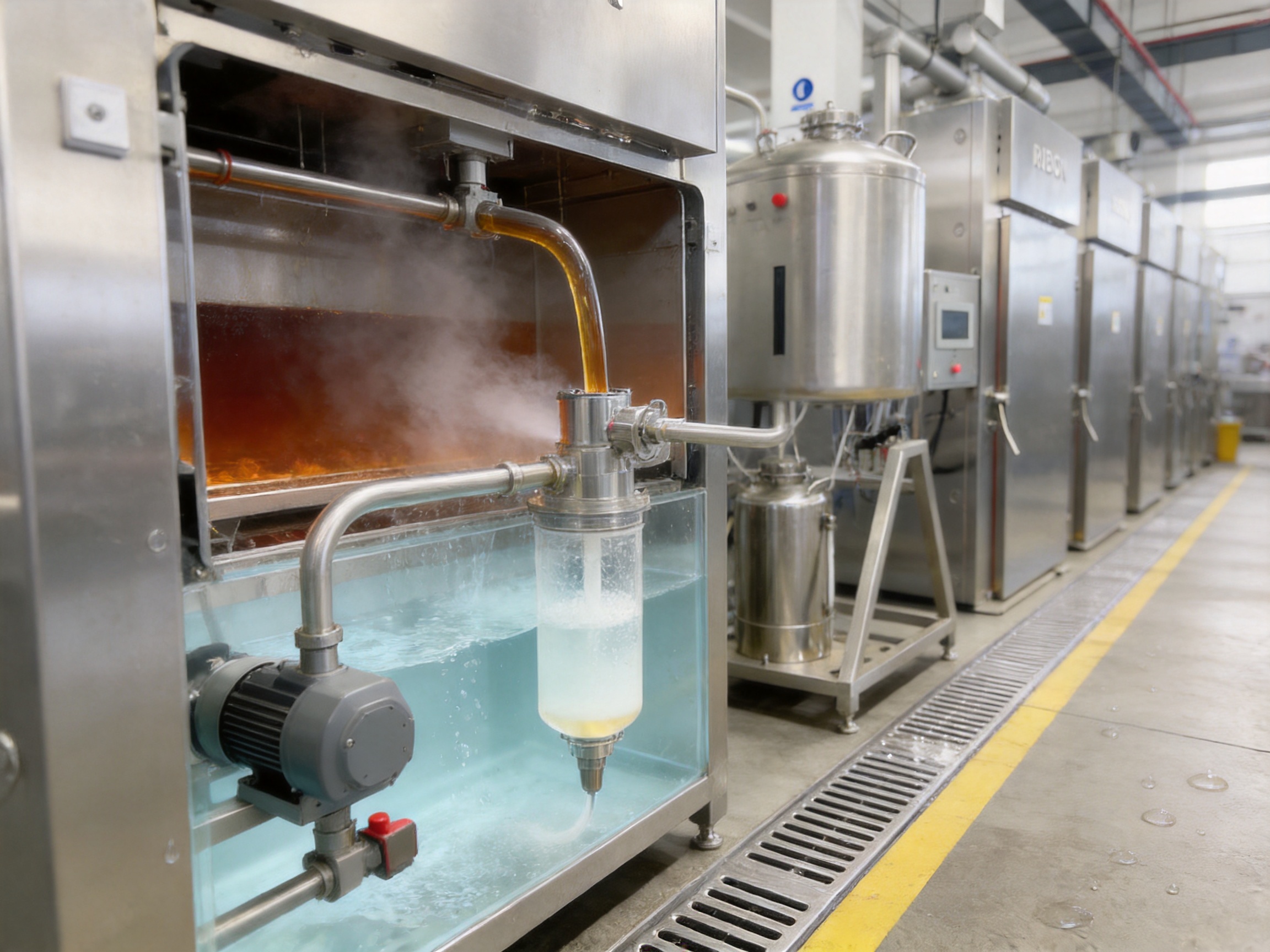
One of the most valuable features of the atomizer is its self-cleaning system. Liquid smoke contains concentrated flavor and color compounds that can gradually accumulate on internal surfaces. If residue is allowed to remain, it may restrict nozzles, affect flow, change the delivered concentration, or create sanitation problems.
Automatic Cleaning Initiation
The cleaning cycle may be initiated through a timer, a production counter, a scheduled program, or an operator command on the control panel. A factory can establish a cleaning frequency based on production volume, liquid smoke type, operating time, and its sanitation program.
Automatic initiation helps make cleaning part of the normal production routine. Instead of relying entirely on operator memory, the system can support a more consistent maintenance schedule. The exact automation level depends on the machine configuration and control system.
Purging Residual Liquid
Before the cleaning solution is introduced, the atomizer can purge remaining liquid smoke from the chamber, lines, and associated components. This step helps prevent excessive dilution of the cleaning agent and reduces the amount of smoke solution left in the equipment.
Purging is also useful when a processor changes from one smoke recipe to another. Removing the previous liquid from the system can reduce cross-over between different flavor or color formulations.
Injection and Circulation of Cleaning Solution
A cleaning solution, generally based on water and an appropriate detergent or specialized cleaning agent, is introduced into the relevant parts of the atomizer. The solution circulates through the liquid path, atomization chamber, nozzles, valves, and other components that may collect residue.
The cleaning agent helps soften and dissolve deposits. The selection of the cleaning chemical should be compatible with the equipment materials and the manufacturer’s recommendations. Food-processing plants must also follow their chemical safety procedures, including correct concentration, handling, storage, and rinsing.
Agitation or Enhanced Cleaning
Some systems may use circulation pressure, air movement, mechanical agitation, or other methods to improve the cleaning effect. Advanced configurations may use additional technologies to assist with stubborn buildup. The purpose is to reach internal surfaces that are difficult to clean manually, particularly small passages and nozzle openings.
Cleaning performance depends on contact time, solution temperature, chemical concentration, mechanical action, and the nature of the residue. These principles are commonly referred to as the fundamental factors of effective cleaning. A self-cleaning system helps automate these steps, but the processor should still inspect the equipment at suitable intervals.
Rinsing and Drainage
After circulation, the used cleaning solution and loosened residue are flushed from the system. Drainage paths help remove the spent liquid from the atomizer and prevent it from remaining in low points or internal passages.
Effective drainage is important for both hygiene and equipment life. Standing liquid can support microbial growth, cause odors, or contribute to corrosion if the material and chemical combination is unsuitable. The installation should therefore provide accessible drains and a practical method for collecting or disposing of wastewater in accordance with local requirements.
Drying and Return to Service
After rinsing, the atomizer may use air movement or another drying procedure to remove remaining moisture. Dry internal surfaces are less likely to support unwanted microbial growth and are ready for the next smoking cycle.
Before restarting production, operators should confirm that the cleaning process is complete, the system is properly rinsed, the correct liquid smoke supply is connected, and the nozzles and filters are unobstructed. A brief pre-operation inspection can prevent process interruptions.
Comparison With Traditional Smoke Generation
| Evaluation Area | Liquid Smoke Atomizer | Traditional Combustion Smoke Generator |
|---|---|---|
| Smoke source | Prepared liquid smoke solution | Burned wood, sawdust, or similar fuel |
| Concentration control | Managed through flow, concentration, and cycle settings | Influenced by fuel, airflow, temperature, and operator adjustment |
| Fire requirement | No active fire is required for atomization | Combustion is central to operation |
| Smoke pollution | Designed to reduce combustion smoke and related emissions | May create smoke, ash, soot, and combustion exhaust |
| Process repeatability | Supports programmed and repeatable application | May vary with fuel and combustion conditions |
| Cleaning profile | Self-cleaning can assist with liquid residue removal | May require removal of ash, soot, tar, and smoke deposits |
| Production flexibility | Recipes can be adjusted through concentration and application time | Recipe changes may require changes in fuel and fire settings |
| Safety considerations | Reduces fire-related concerns but still requires industrial safety controls | Requires additional control of fire, heat, embers, and combustion |
This comparison is intended to explain the general operating differences between the two approaches. Actual performance depends on equipment design, installation quality, process recipes, operator training, and the characteristics of the product being smoked.
Advantages Over Competing Liquid Smoke Systems
Liquid smoke systems are not all identical. A basic spray device may introduce liquid into a chamber, but a complete industrial atomizer should address concentration management, distribution, cleaning, safety, and integration with the wider production line.
Smart Concentration Management
A key advantage of the described system is its emphasis on smart concentration control. Rather than treating atomization as a simple on-or-off operation, the equipment is intended to help processors manage the strength and quantity of the smoke application. This provides more opportunity to create product-specific programs and reduce unnecessary liquid consumption.
Compared with less advanced systems that rely heavily on manual adjustment, controlled concentration management can reduce operator variation. It can also make it easier to transfer a validated production recipe between shifts and, where appropriate, between similar machines.
Integrated Self-Cleaning
Many systems can atomize liquid, but cleaning is equally important in a food-processing environment. The self-cleaning function distinguishes a more complete industrial solution from equipment that requires extensive manual disassembly after each operating period.
Automated purging, cleaning-solution circulation, rinsing, drainage, and drying can reduce the workload associated with routine maintenance. It also helps protect the performance of nozzles and internal passages, which are critical to uniform atomization.
Designed for Meat Processing Conditions
The product is positioned specifically for meat processing smokehouses rather than general-purpose spraying. Meat plants have strict requirements for hygiene, repeatability, production capacity, cleaning access, and integration with cooking and cooling stages. Equipment designed with these conditions in mind is more likely to support practical factory workflows.
Ribon’s broader product range includes smokehouses, vacuum tumblers, slaughtering equipment, cutting machinery, and deboning solutions. This wider manufacturing scope gives the company an understanding of how smoking fits within preparation, marination, cooking, chilling, cutting, and packaging operations.
Reduced Dependence on Combustion
A competing system based on direct wood combustion may require additional equipment for fire control, smoke filtration, ash removal, and exhaust management. The liquid smoke atomizer avoids the need for combustion during the smoke application stage. This can simplify the production environment and support cleaner operation.
The absence of combustion also makes the process more suitable for facilities that have limited space, strict environmental requirements, or a preference for a cleaner and more automated smokehouse layout.
Practical Production Value
The strongest equipment is not necessarily the system with the most complicated features. It is the system that improves measurable production outcomes. The atomizer’s value lies in the combined effect of controlled application, shorter smoking time, consistent quality, reduced smoke pollution, lower cleaning effort, and lower fire-related risk.
These advantages can help a processor reduce the total cost of ownership. Evaluation should include equipment purchase price, installation, liquid smoke consumption, water and chemical use, labor, maintenance, downtime, throughput, and product yield. A system with a higher initial investment may provide better long-term value if it produces more reliable output and requires less manual intervention.
Manufacturing Strengths of the Equipment Supplier
Long-Term Industry Experience
Zhejiang Ribon Intelligent Equipment Co., Ltd. was founded in 2003 by Mr. Shi Ming and has focused on the research, development, and manufacturing of meat processing machinery. Long-term experience is important in this field because successful equipment must function in demanding production environments, not only during demonstrations.
Over years of development, a machinery manufacturer gains practical knowledge about meat product handling, sanitation, factory layouts, control requirements, maintenance, and integration. This knowledge can influence the design of components such as pumps, nozzles, valves, filters, chamber interfaces, and cleaning circuits.
Specialization in Meat Processing Machinery
Ribon specializes in equipment for meat processing smokehouses, vacuum tumblers, and cutting and deboning lines. The company also provides slaughtering and related processing solutions. This specialization allows the manufacturer to focus its engineering resources on the requirements of food production instead of treating meat equipment as a secondary product category.
A specialized supplier can better understand the differences between fresh meat handling, marination, tumbling, smoking, cooking, chilling, cutting, and portioning. That understanding is useful when a customer needs an atomizer that must connect with an existing line or work within a new turnkey project.
Research, Development, and Continuous Optimization
The company states that its technologies and solutions have been continuously optimized. Continuous improvement is particularly important for smokehouse equipment because processors are seeking better efficiency, more automation, improved sanitation, and lower environmental impact.
Development work may involve improving control logic, nozzle performance, cleaning sequences, material selection, accessibility, energy use, and compatibility with different factory layouts. The purpose is not simply to add functions, but to make the machinery more practical and valuable for daily production.
Integrated Solution Capability
Some equipment suppliers provide a single machine without considering the rest of the production line. Ribon’s product range supports a more integrated approach. A customer may require a smokehouse, liquid smoke atomizer, vacuum tumbler, cutting equipment, deboning machinery, or other processing units as part of a coordinated project.
Integrated planning can improve material flow and reduce compatibility problems. Important considerations include product transfer, loading and unloading, rack dimensions, control communication, sanitation zones, drainage, operator access, and maintenance space. A supplier with experience across several processing stages can contribute more effectively to these discussions.
International Market Experience
Ribon has exported meat processing solutions worldwide since 2003. International project experience requires a manufacturer to consider different electrical standards, food regulations, factory practices, languages, documentation requirements, and customer expectations.
Export experience can also strengthen after-sales communication and project coordination. Customers should still confirm the available service coverage, spare parts arrangements, installation support, training, and documentation for their specific location before placing an order.
Commitment to Practical Design
The company describes its objective as developing better-designed and more practical solutions that provide value and convenience to customers while supporting environmental responsibility. Practical design is especially important for a liquid smoke atomizer because operators need clear controls, accessible cleaning points, reliable liquid delivery, and straightforward maintenance procedures.
In a working factory, the equipment must be easy to understand and maintain. Features such as logical control sequences, accessible filters, sanitary drainage, clear status indicators, and repeatable cleaning programs can have a direct effect on productivity. Good design combines engineering performance with everyday usability.
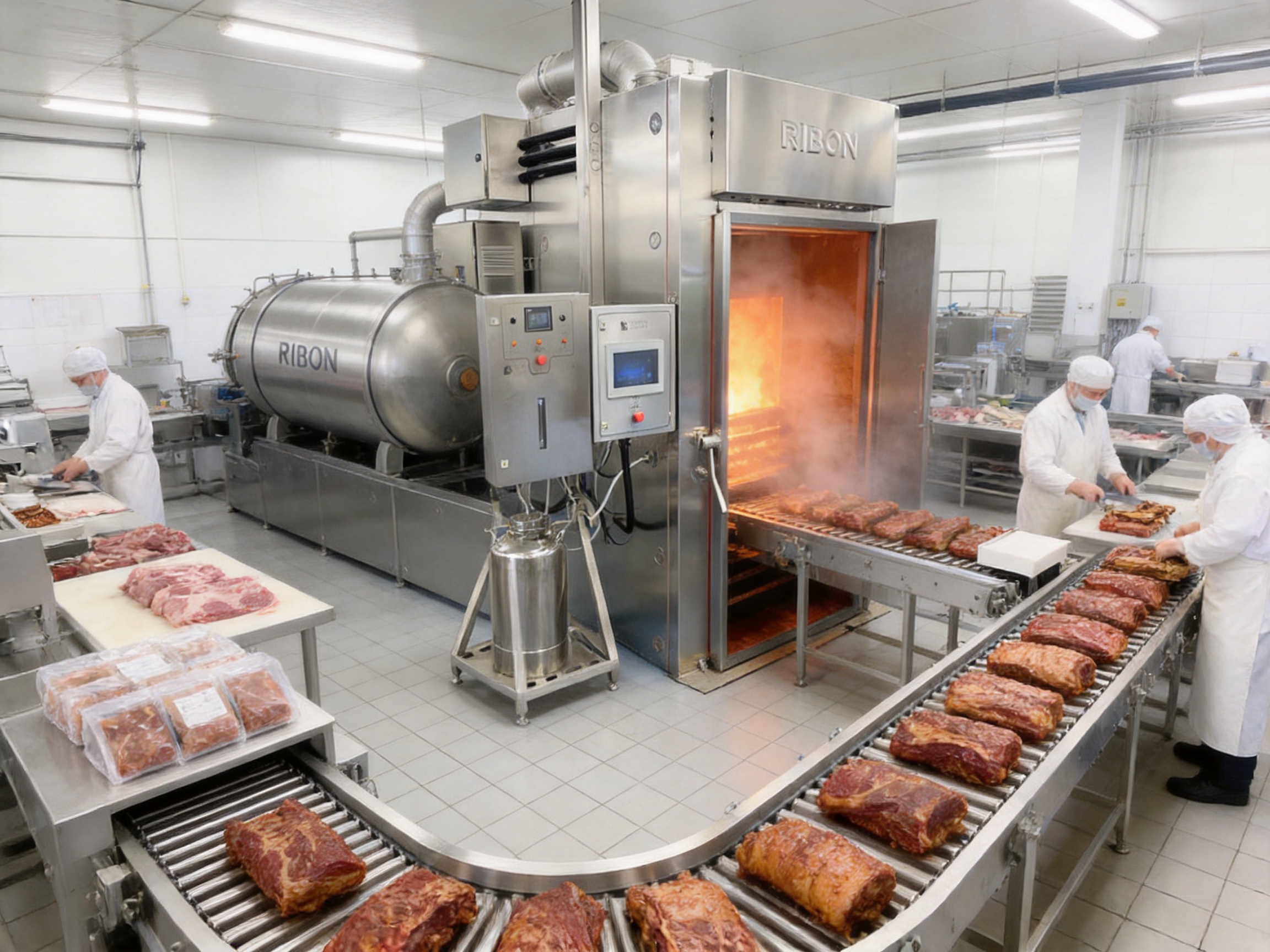
Manufacturing and Quality Considerations
A professional meat processing machinery manufacturer must control more than final assembly. Equipment quality begins with design review and component selection, continues through fabrication and assembly, and ends with testing and customer support.
Engineering Design
The design stage should consider the liquid smoke path, atomization performance, chamber connection, cleaning circuit, control architecture, operator interface, and safety functions. It should also consider how the machine will be installed in the customer’s facility and how operators will access it during production and sanitation.
For custom projects, the supplier may need to review product types, batch sizes, smokehouse dimensions, loading patterns, liquid smoke characteristics, required production capacity, and available utilities. These details influence the selection and arrangement of the atomization system.
Material and Component Selection
Food-processing equipment must be constructed from materials suitable for repeated contact with moisture, cleaning chemicals, temperature changes, and production residues. Components must also be selected for reliable operation under the expected pressure, flow, and duty cycle.
Important components may include pumps, sanitary tubing, valves, spray nozzles, filters, sensors, control cabinets, fans, seals, and drainage fittings. The suitability of each part affects the reliability of the complete system. A high-quality nozzle cannot compensate for an unstable pump, and an advanced control panel cannot compensate for poorly designed liquid passages.
Fabrication and Assembly
Fabrication quality influences hygiene and maintenance. Smooth surfaces, suitable welds, clean internal passages, correct slopes for drainage, and properly protected electrical components all contribute to a more reliable machine. Assembly should follow controlled procedures so that lines, valves, sensors, and controls are connected correctly.
Careful assembly is also important for atomization consistency. Misaligned nozzles, restricted tubing, loose fittings, or incorrect valve connections can affect the distribution of liquid smoke. A professional factory should use inspection steps to identify these issues before shipment.
Functional Testing
Testing should confirm that the equipment performs its intended functions. This may include checking liquid transfer, valve operation, atomization, control response, cleaning sequences, drainage, alarms, emergency stops, and communication with the smokehouse control system.
Where possible, testing should simulate the customer’s intended operating conditions. The factory may review the selected liquid smoke, planned flow range, cycle duration, and chamber configuration. Customers can improve project outcomes by providing accurate process information during the quotation and design stages.
Documentation and Training
Clear documentation helps customers operate and maintain the machine. Useful materials may include operating instructions, cleaning procedures, maintenance schedules, electrical diagrams, spare-parts information, and safety guidance.
Operator training should cover startup, recipe selection, concentration adjustment, normal shutdown, self-cleaning, chemical handling, troubleshooting, and inspection. Maintenance personnel should understand how to check filters, nozzles, pumps, valves, seals, and sensors. Training reduces the risk of incorrect operation and helps the factory gain the full benefit of the equipment.
Application Areas
Sausage and Casing Products
Sausage manufacturers often require uniform smoke color and aroma across a large number of individual products. Liquid smoke atomization can provide a repeatable application and may be suitable for cooked sausages, emulsified products, semi-dry products, and other formulations, subject to recipe validation.
The casing material, surface moisture, product spacing, and cooking sequence all influence the final result. The processor should establish the correct smoke concentration and exposure time through controlled trials.
Ham and Whole-Muscle Products
Whole-muscle products may require a carefully balanced surface treatment. Excessive smoke can overpower the natural flavor, while insufficient application may produce a weak or uneven appearance. Controlled atomization helps the processor fine-tune the process and repeat the selected result.
Product geometry is particularly important for large pieces. Air circulation and rack placement should allow the atomized mist to reach the available surfaces. Smokehouse programs may need to account for product size, surface temperature, and moisture.
Poultry Products
Poultry products often require consistent golden, brown, or smoked coloration. The appearance can be important for consumer acceptance, particularly when products are sold whole or in visible portions. A liquid smoke atomizer can assist with controlled surface treatment while reducing reliance on combustion smoke.
As with all food applications, the processor must confirm that the selected liquid smoke formulation, application level, and subsequent cooking process comply with relevant requirements.
Specialty Smoked Foods
Specialty meat products may benefit from flexible smoke recipes. A manufacturer producing several products can use different programs for different formulations rather than maintaining separate combustion settings. This flexibility can support product development and small-batch production.
Installation and Operating Recommendations
The atomizer should be installed as part of a complete process review. The supplier and customer should confirm the smokehouse volume, production capacity, rack arrangement, available utilities, drainage, ventilation, control interface, and cleaning access.
Liquid smoke storage should be organized to prevent contamination, incorrect connections, and temperature-related quality problems. Containers and transfer lines should be identified clearly, especially where multiple smoke formulations are used.
Operators should avoid overloading the smokehouse. Product racks need enough space for air and mist circulation. A well-designed atomizer cannot compensate for blocked airflow or poor loading practices.
Production recipes should be documented. The record may include product name, batch size, liquid smoke type, concentration, application time, chamber conditions, cooking sequence, and quality checks. Standardized records make it easier to investigate variation and train new operators.
Cleaning should be performed according to the established schedule. The self-cleaning function reduces manual work but does not replace inspection. Nozzles, filters, drains, seals, and chamber surfaces should be checked routinely for deposits, damage, leaks, or blockage.
Maintenance personnel should inspect pumps and valves for abnormal noise, vibration, leakage, or loss of pressure. Electrical controls and sensors should be kept dry and checked in accordance with the machine documentation. Preventive maintenance is generally less costly than emergency repair during a production shift.
Economic and Environmental Value
The economic benefit of a liquid smoke atomizer comes from several areas rather than a single feature. A processor may save time through shorter smoking cycles, reduce labor through automated cleaning, lower maintenance requirements by avoiding combustion deposits, and improve yield by reducing rejected or inconsistent products.
Controlled application can also reduce liquid smoke waste. When the system delivers a measured amount rather than relying on excessive spraying, the processor can use the recipe more efficiently. Better control may lower the variation in flavor and color, reducing the number of batches that need adjustment.
Environmental value is connected to the reduction of direct combustion. Less burning of wood or sawdust can mean lower fuel handling requirements, less ash, and less combustion exhaust. The factory may also benefit from a cleaner working area and simpler housekeeping procedures.
These benefits should be measured in the customer’s actual operation. Useful performance indicators include smoking time per batch, liquid smoke consumption, cleaning labor, water and chemical consumption, equipment downtime, product rejection rate, energy use, and output per shift. A structured evaluation allows management to compare the atomizer with existing equipment or alternative technologies.
Selection Guide for Buyers
Before purchasing a liquid smoke atomizer, buyers should define the intended products and production goals. Important questions include the type of meat products, batch size, daily output, smokehouse dimensions, desired color and flavor, available liquid smoke formulation, required automation level, and cleaning expectations.
Buyers should ask how the atomizer connects to the existing smokehouse. Compatibility involves more than physical connection. The liquid delivery, air circulation, electrical controls, drainage, cleaning water, chemical supply, and production software may all need to work together.
It is also useful to request information about the self-cleaning sequence. The buyer should understand which components are cleaned automatically, what cleaning agent is recommended, how long the cycle takes, how wastewater is drained, and which parts still require manual inspection.
Service and spare-parts support should be discussed before the order. No industrial machine operates indefinitely without maintenance. The customer should know how replacement nozzles, filters, seals, valves, sensors, and other consumables can be obtained.
Finally, the buyer should evaluate the supplier’s ability to support a complete project. A manufacturer with experience in smokehouses, tumblers, slaughtering equipment, cutting machinery, and deboning lines may provide more useful integration advice than a supplier that only sells a single atomization component.
Q&A About the Liquid Smoke Atomizer
What is the main purpose of a liquid smoke atomizer?
Its main purpose is to convert liquid smoke into a fine mist and distribute it evenly through a meat processing smokehouse. The system helps apply smoke flavor and color in a controlled, repeatable way.
Does the atomizer burn wood or sawdust?
No active fire is required for the atomization process. The system uses prepared liquid smoke rather than generating smoke through direct combustion. This helps reduce fire-related concerns, ash, soot, and combustion pollution.
Can the smoke concentration be adjusted?
Yes. The system is designed with smart concentration control so that operators can adjust the application according to the product recipe. The available adjustment range and control method depend on the specific equipment configuration.
What products can be processed?
The atomizer may be used for a range of smoked meat products, including sausages, ham, bacon, poultry, cooked meat, and specialty products. Each product requires recipe validation because casing, surface moisture, product size, temperature, and processing time influence the final result.
How does the self-cleaning system work?
A typical cycle purges residual liquid smoke, introduces a suitable cleaning solution, circulates the solution through internal passages and atomization components, rinses away loosened residue, drains the used liquid, and may apply a drying step. The exact sequence depends on the machine design and programmed settings.
Does self-cleaning eliminate manual maintenance?
No. Self-cleaning reduces routine manual work, but operators should still inspect nozzles, filters, valves, seals, drains, and chamber surfaces. Manual cleaning or disassembly may be required at scheduled intervals or when deposits are found.
Can the system reduce smoking time?
It can shorten the smoke application stage because the prepared liquid smoke is delivered directly through the atomization system. Actual production time depends on the product, smokehouse, recipe, loading arrangement, and cooking process.
Is the equipment environmentally friendly?
The system is designed to reduce pollution associated with direct smoke combustion. It can lower the need for burning wood or sawdust and reduce ash and soot. Environmental performance also depends on liquid smoke selection, ventilation, cleaning chemicals, wastewater management, and compliance with local regulations.
What safety measures are still required?
Even without an active fire, the equipment requires normal industrial safety controls. Operators should follow electrical safety procedures, chemical-handling instructions, sanitation rules, emergency-stop procedures, and the manufacturer’s operating guidance.
Why is manufacturer experience important?
A liquid smoke atomizer must work with a smokehouse and the wider meat processing line. A manufacturer experienced in smokehouses, vacuum tumblers, cutting and deboning lines, and other meat machinery can better understand process integration, hygiene, capacity, maintenance, and factory layout requirements.
Conclusion
The liquid smoke atomizer is a practical solution for meat processors seeking cleaner, more controlled, and more efficient smoking. By replacing direct combustion with measured liquid smoke atomization, the system supports consistent product quality, adjustable smoke concentration, reduced smoke pollution, shorter application times, and lower fire-related risk.
Its self-cleaning system adds further value by helping remove residue from the atomization chamber, nozzles, valves, filters, and liquid lines. Automated purging, cleaning-solution circulation, rinsing, drainage, and drying can reduce maintenance labor and support better hygiene, although routine inspection remains necessary.
The strongest advantage comes from combining these functions in a machine designed for industrial meat processing. Concentration control, process repeatability, cleaning automation, and smokehouse integration are more valuable together than as separate features. For manufacturers producing sausages, ham, poultry, bacon, and other smoked foods, this approach can support a more stable and efficient production process.
Zhejiang Ribon Intelligent Equipment Co., Ltd. brings experience in meat processing machinery, smokehouses, vacuum tumblers, slaughtering equipment, cutting systems, and deboning solutions. Its long-term focus on research, development, manufacturing, international projects, and practical equipment design positions it as a capable supplier for processors seeking individual machines or broader meat processing solutions.
Before installation, each customer should confirm product requirements, smokehouse capacity, liquid smoke compatibility, cleaning procedures, utilities, control integration, and local regulatory obligations. With correct engineering, operation, and maintenance, a liquid smoke atomizer can become an important part of a modern meat processing plant—improving consistency while supporting productivity, sanitation, and environmental responsibility.
References
1. Product information for the Liquid Smoke Atomizer, Zhejiang Ribon Intelligent Equipment Co., Ltd.
2. Company information and manufacturing profile of Zhejiang Ribon Intelligent Equipment Co., Ltd.
3. General principles of liquid smoke preparation, atomization, controlled food application, and smokehouse process management.
4. General food-processing sanitation principles for cleaning, rinsing, drainage, drying, and preventive maintenance.
5. General industrial guidance concerning combustion safety, environmental control, food-contact equipment, and process documentation.